Trending right now

World Collapse Expert (Ian Bremmer): The Real Crisis Is What Comes After Trump
Is the world on the brink of collapse, and what comes next after a seismic shift in global leadership? Ian Bremmer lays out the stark reality.

Alex Imas on Why Economists Might Be Getting AI Wrong
Are economists miscalculating AI's true impact? Discover why the speed of adoption and job task interconnectedness could reshape our economic future faster than we think.

Our Tax System Should Make You Furious
Is the tax system rigged against you? This episode reveals how the ultra-wealthy pay minimal taxes while you pick up the tab.
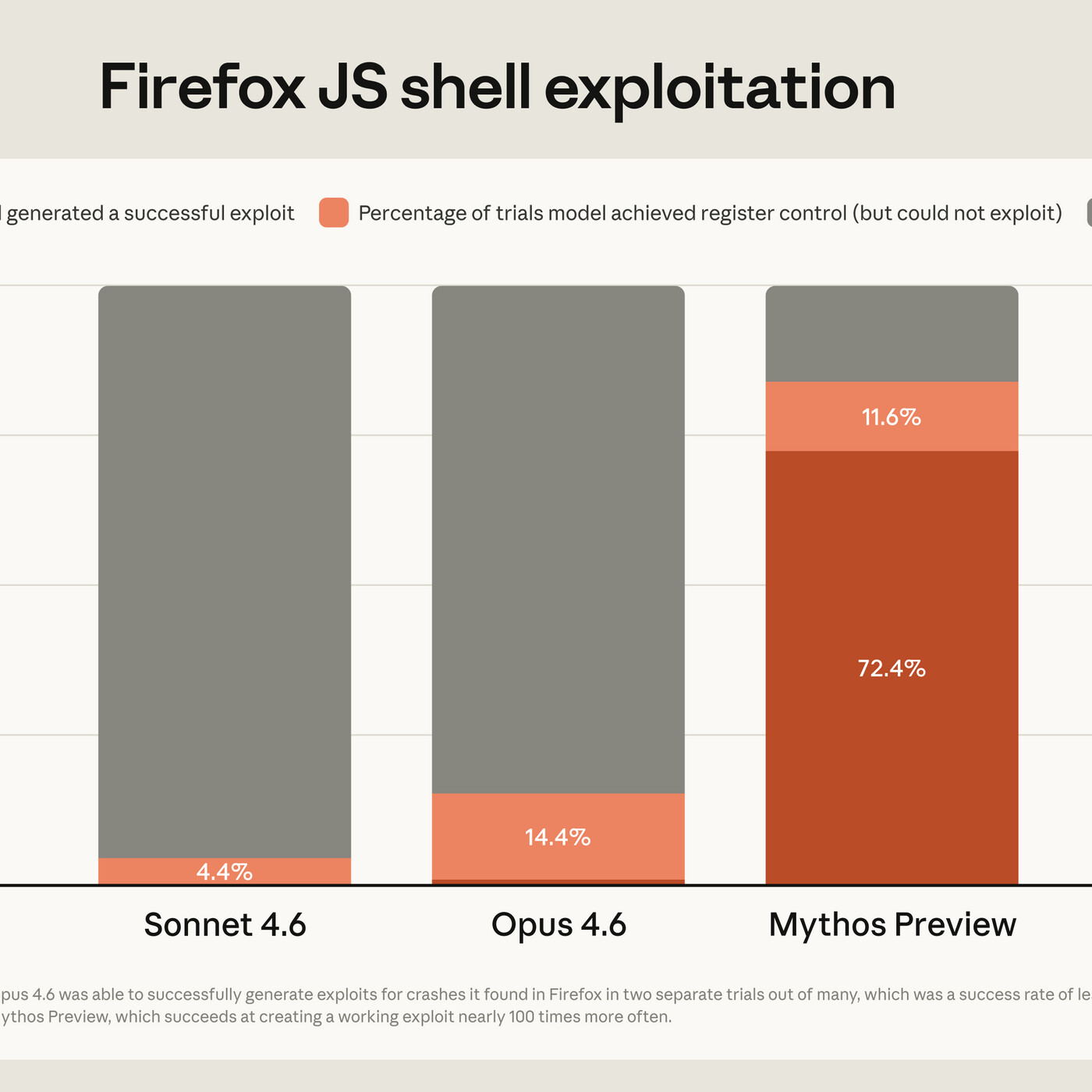
#240 - Project Glasswing, Claude Mythos, GLM-5.1, emotion concepts
From AI finding zero-day vulnerabilities to data centers becoming military targets – the latest AI news is stranger and more critical than fiction.

Gadget Prices Are Getting Ridiculous
Are you feeling the pinch of rising gadget prices? MKBHD dives into why your favorite tech is getting ridiculously expensive.

How to Change the World
- Long-term commitment to actions, rather than frequent course changes, is key to achieving significant success and impact.
- Many individuals struggle with long-term thinking due to short-term financial pressures, hindering their ability to pursue ambitious goals.
- Committing to consistent action over increasingly longer periods—a year, a decade, or a lifetime—can lead to escalating levels of reward and world-changing influence.

The Debt Trap
- Banks are incentivized to fill individuals with debt to the brim, creating systemic risk that is often mitigated by government bailouts.
- Paying off a mortgage early is mathematically advisable only when the interest rate exceeds potential investment returns, otherwise, investing is usually more beneficial.
- Adjustable-rate mortgages (ARMs), particularly those with low introductory rates, can lead to financial distress when rates adjust to market levels.
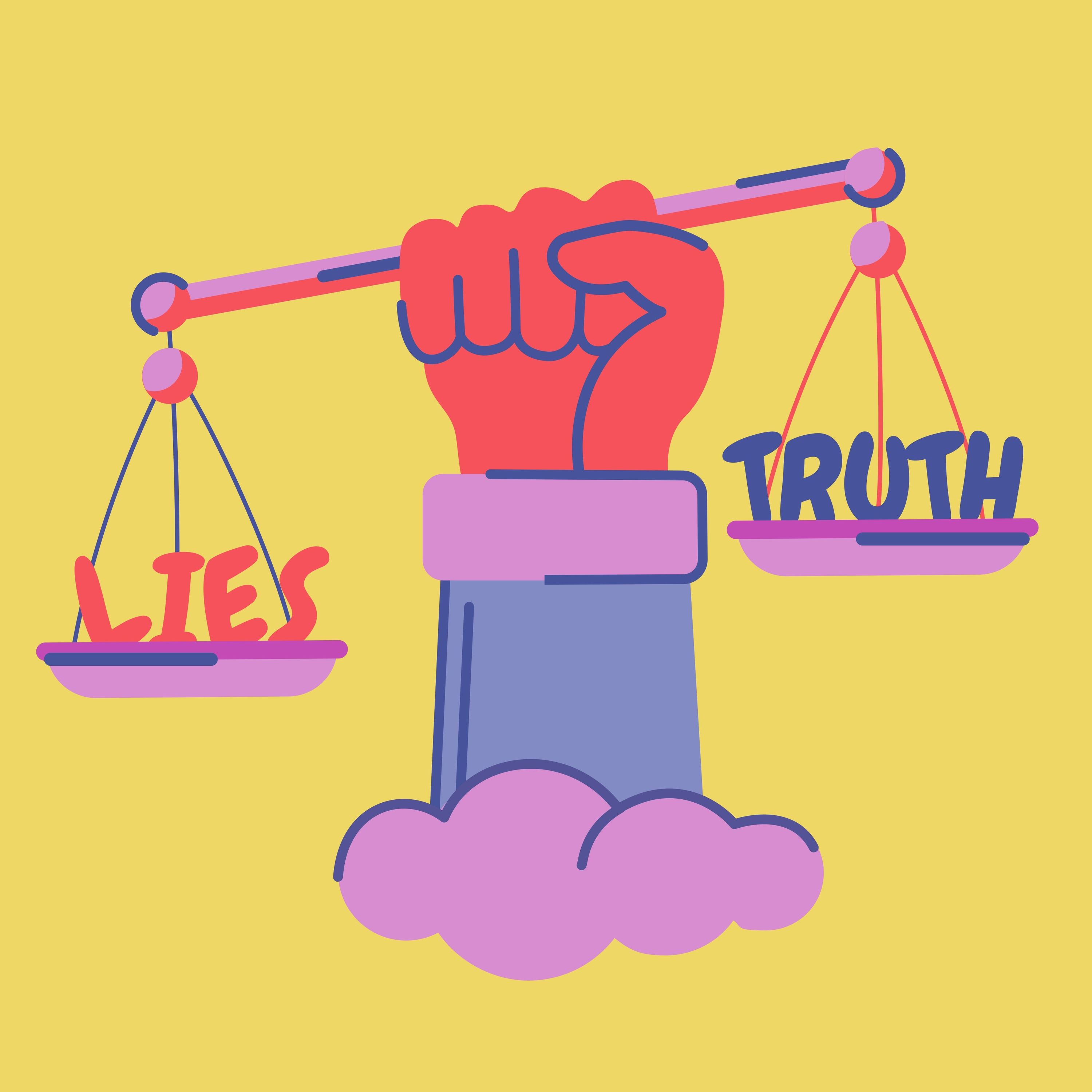
When It's Okay to Lie
- It is generally advisable to tell the truth, but there are exceptions when lying might be acceptable to avoid disproportionate punishment or conflict.
- The teenager's lie is presented as a tactic to navigate a situation where honesty would lead to severe repercussions.
- The core idea is that sometimes, dishonesty is a valid strategy when dealing with controlling or overly reactive individuals.

Group Think
- Groupthink, exemplified by the Space Shuttle Challenger disaster, occurs when the desire for unanimous agreement overrides individual doubts and leads to disastrous decisions.
- Dr. James K. Esser identified eight key symptoms of groupthink that increase the probability of poor decision-making.
- To avoid groupthink, teams must encourage diverse opinions and ensure decisions genuinely reflect a team consensus, not just the loudest voices.

Rethinking Depression
- Unhappiness is a natural part of life and should not be overmedicalized or labeled as depression.
- Cultivating existential intelligence involves understanding what is important to you, aligning your thoughts and behaviors accordingly, and creating meaning.
- Embracing "curveballs" and developing the ability to manage our thoughts through techniques like "hall monitors" is crucial for navigating life's challenges and finding meaning.

Yuck! The Science of Disgust
- The conversation explores the visceral, non-intellectual reaction of disgust, triggered by sensory experiences like bad smells and slimy textures.
- This primal disgust response likely evolved as a health mechanism to avoid contamination and disease.
- The feeling of disgust demonstrates our fundamental nature as animals responding to immediate environmental stimuli.

The Secret of Charisma
- Charisma is a learnable skill that improves with consistent practice, just like any other ability.
- Charismatic individuals exhibit a combination of specific behaviors related to speech, body language, and facial expressions.
- To enhance your charisma, actively schedule and practice the behaviors associated with it.
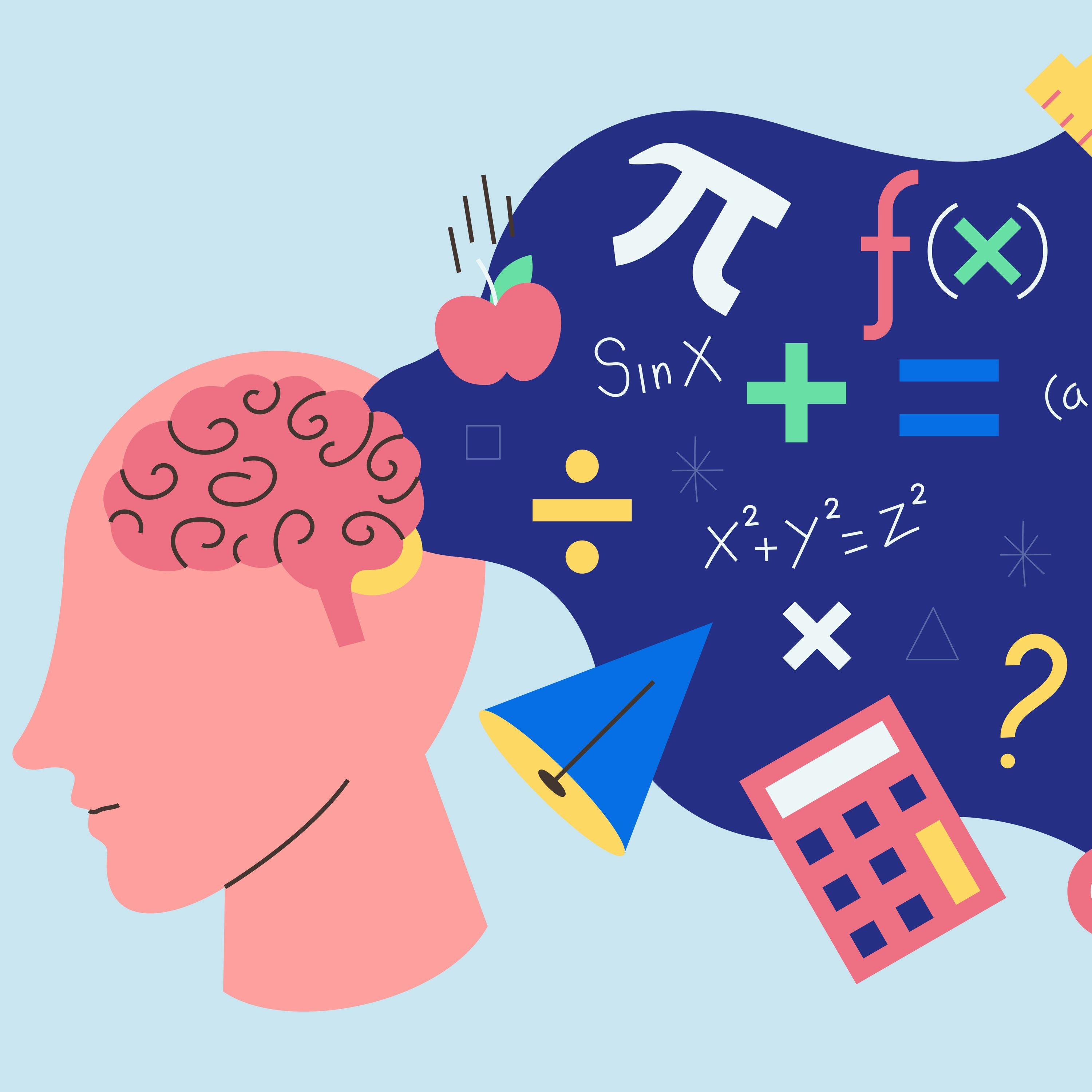
Why You're Smarter Than You Think
- Higher intelligence often involves underestimating one's own abilities due to an awareness of personal limitations and a drive for continuous improvement.
- Empathy and creativity are key indicators of emotional and intellectual intelligence, enabling individuals to understand others' feelings and approach problems with novel solutions.
- Emotionally intelligent individuals tend to be proactive and open to new experiences, carefully processing information to respond thoughtfully rather than react impulsively.

You 2.0: Trusting Your Doubt
- Excessive reliance on external validation can lead to an "emotional crackhead" state, where individuals lose touch with their own feelings and reality.
- This internal disconnection prevents people from recognizing how their behavior is perceived by others, leading to a delusional self-image.
- The core issue is a failure to trust one's own faculties and a painful avoidance of self-reflection, resulting in a false sense of enjoyment.

You 2.0: The Practice of Patience
- Buddhism considers patience the greatest virtue, encompassing enduring physical discomfort, verbal abuse, and challenging situations.
- True patience in Buddhism arises from understanding the deeper meaning of life and the nature of reality, not from fear or obligation.
- Practicing patience is facilitated by understanding the three marks of existence: impermanence, suffering, and non-self, which help in letting go of anger and accepting what is beyond our control.