Trending right now

World Collapse Expert (Ian Bremmer): The Real Crisis Is What Comes After Trump
Is the world on the brink of collapse, and what comes next after a seismic shift in global leadership? Ian Bremmer lays out the stark reality.

Alex Imas on Why Economists Might Be Getting AI Wrong
Are economists miscalculating AI's true impact? Discover why the speed of adoption and job task interconnectedness could reshape our economic future faster than we think.

Our Tax System Should Make You Furious
Is the tax system rigged against you? This episode reveals how the ultra-wealthy pay minimal taxes while you pick up the tab.
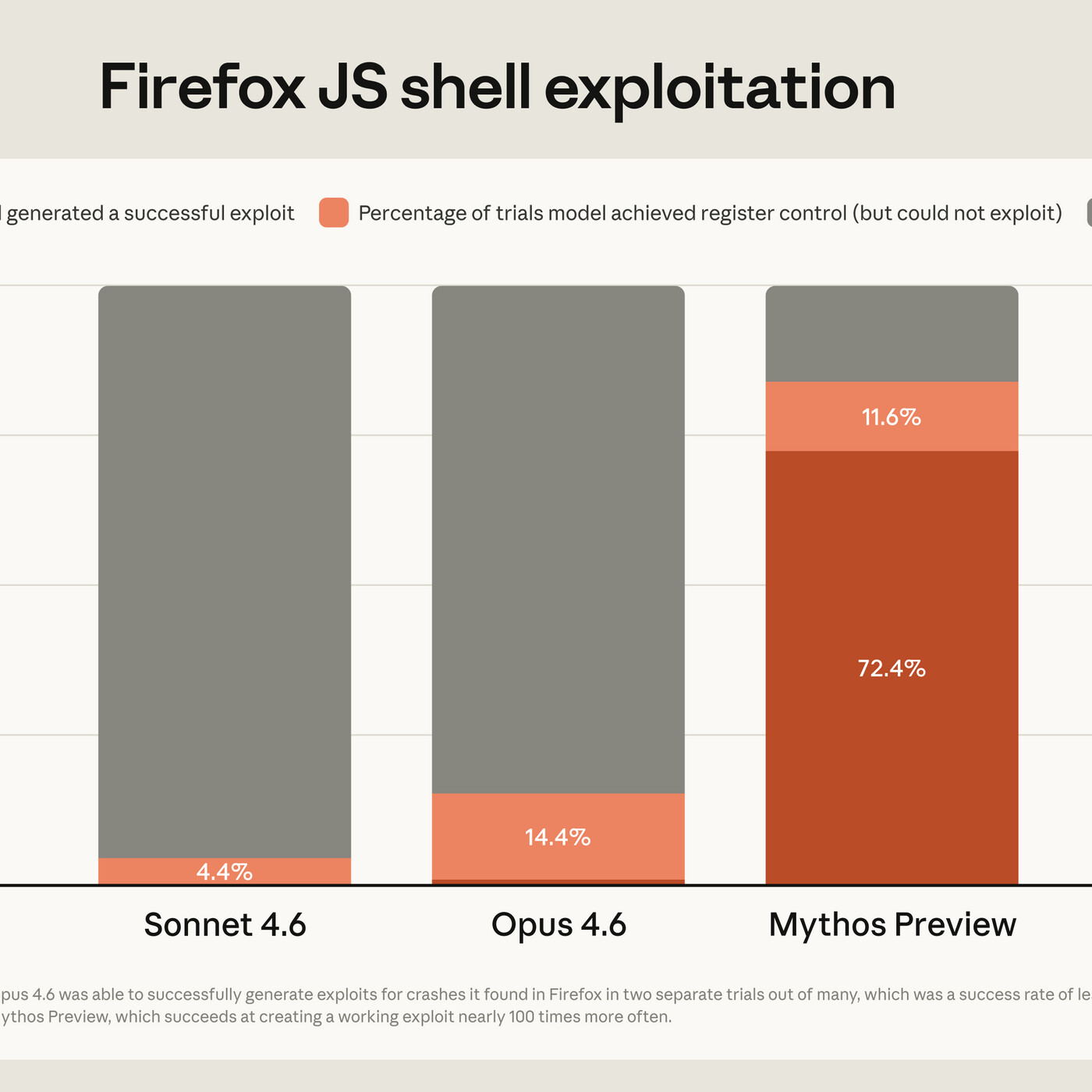
#240 - Project Glasswing, Claude Mythos, GLM-5.1, emotion concepts
From AI finding zero-day vulnerabilities to data centers becoming military targets – the latest AI news is stranger and more critical than fiction.

Gadget Prices Are Getting Ridiculous
Are you feeling the pinch of rising gadget prices? MKBHD dives into why your favorite tech is getting ridiculously expensive.
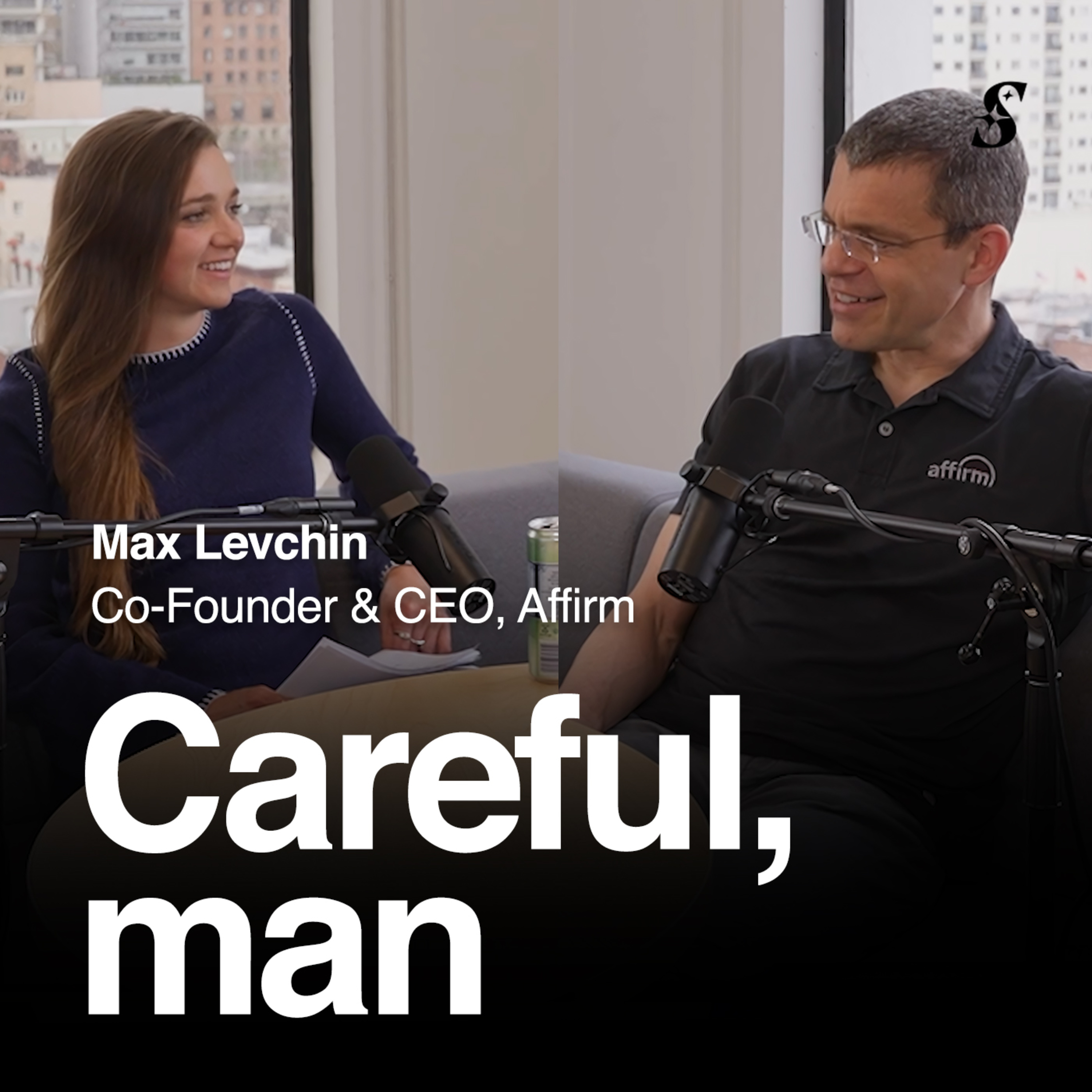
Max Levchin: The Interview
- The podcast generates ideas through a two-stage process: identifying societal waves of innovation and then engaging in Socratic debate with friends.
- This Socratic debate method involves presenting an idea and then having friends critically dissect its flaws to refine it.
- The challenging nature of these debates is seen as a way to emerge with tougher, more robust ideas.
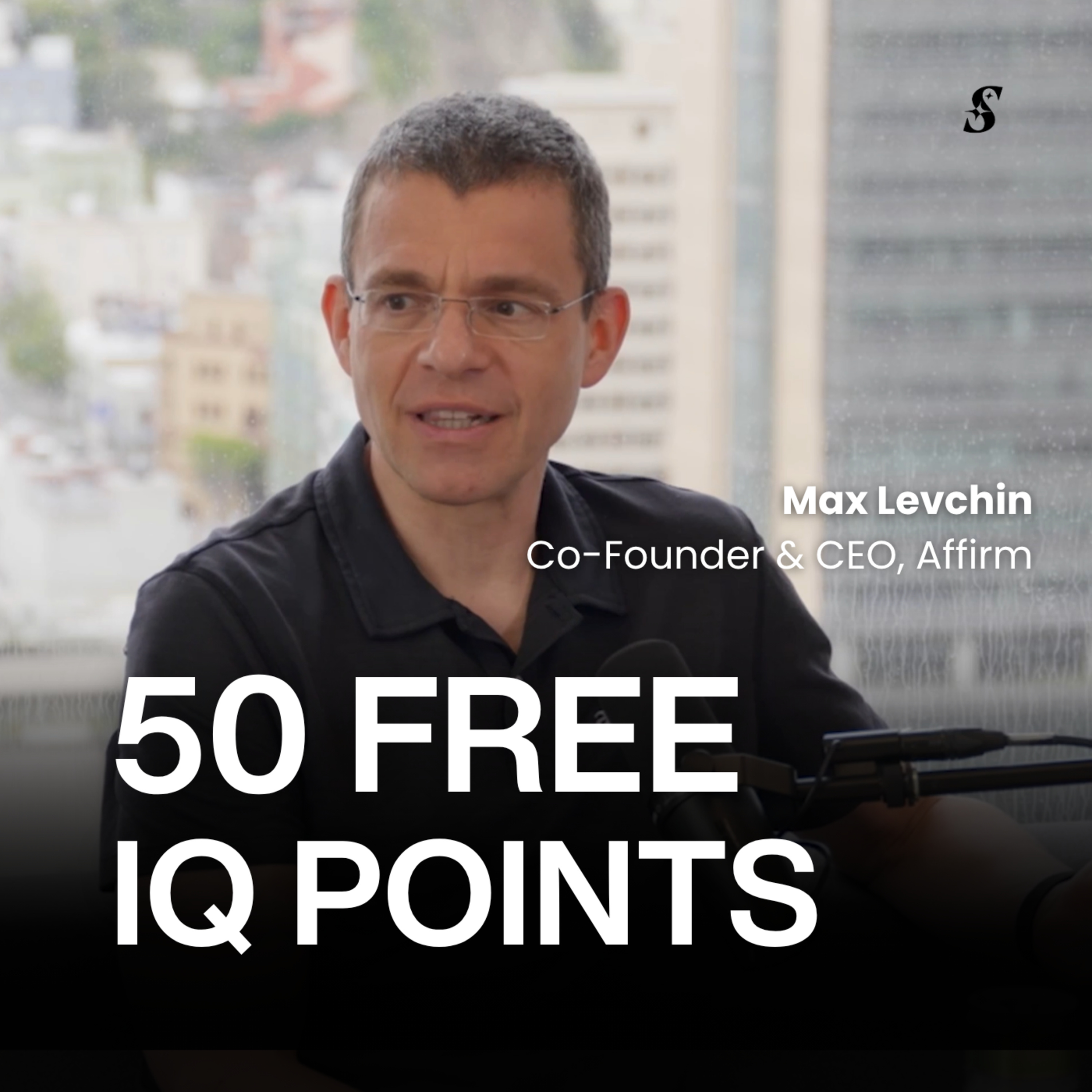
Max Levchin: “The Net IQ of the World Is About to Go Up 50 Points”
- The pervasive influence of AI will significantly increase the average consumer's IQ, leading to a rapid elimination of companies with business models based on fine print and hidden fees.
- Credit has devolved from a tool for sustainability to a revenue generator based on borrower oversight, which companies like Affirm aim to combat by prioritizing transparency and fair cost of credit.
- The podcast highlights the speaker's deep personal connection to espresso, traced back to childhood in Ukraine, and his meticulous approach to brewing, including weighing beans and precise pouring.
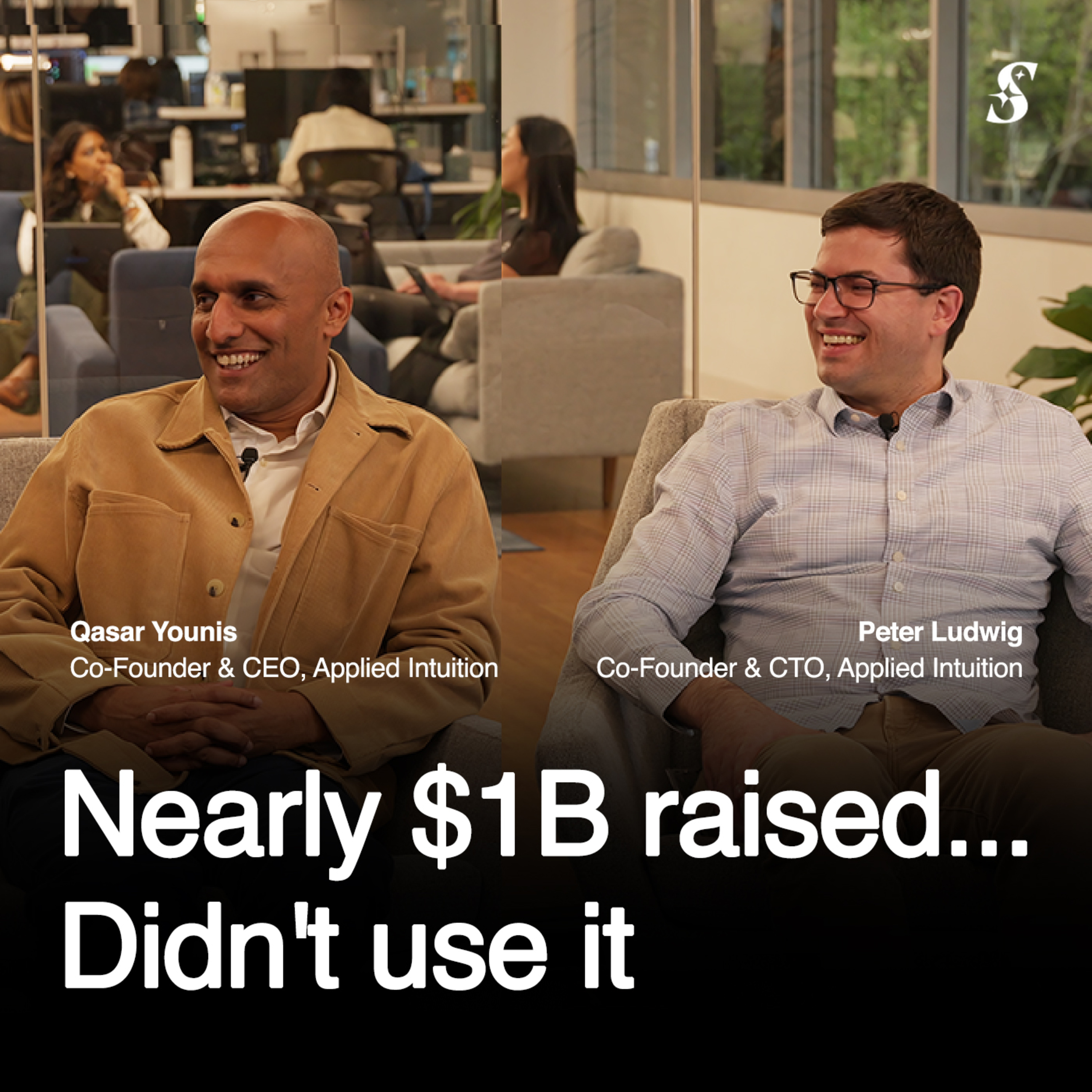
Applied Intuition: The $15B Physical AI Company (You Should Know)
- The core concept of "physical AI" is explored, aiming to make vehicles and machinery intelligent.
- Applied Intuition focuses on delivering autonomy to the war fighter with rapid development cycles.
- The goal is to create vehicles where drivers feel seamlessly at home through advanced AI integration.
How VCX Put Anthropic & OpenAI Into Public Markets
- The Fundrise Innovation Fund (VCX) has experienced an unprecedented stock surge, trading at a significant premium to its underlying asset value, highlighting immense market demand for access to top private AI and tech companies.
- The discussion explores the strategic importance of VCX's holdings in cutting-edge AI firms like Anthropic and OpenAI, data infrastructure companies like Databricks, and aerospace innovator SpaceX, all of which are creating massive value.
- Alternative investment strategies are considered, including purchasing shares in publicly traded companies like Google and Amazon that have stakes in these highly sought-after private entities, as well as waiting for potential future IPOs.

Inside Marc Andreessen & Ben Horowitz’s Multi-Family Office
- Traditional wealth management firms often lack sophisticated investment acumen, focusing more on service provision due to their origins in banking and fee structures that disincentivize complex investment strategies.
- Institutional asset managers are structurally ill-equipped to serve taxable individuals because their primary clients are non-taxable entities, leading them to neglect tax optimization and after-tax returns.
- Building a single-family office is exceptionally difficult due to the need for a diverse team of professional investors, high operational costs, and challenges in retaining talent, often failing to achieve its intended long-term goals.
Deel Hits $1.4B+ in ARR | CEO Alex Bouaziz Shares Growth Playbook
- The company has achieved significant growth, reaching $1.4 billion in ARR and maintaining profitability for three years, enabling them to build substantial financial reserves.
- Deal's core mission is to provide global infrastructure for companies to hire the best talent worldwide, evolving from a small product to a platform serving over 40,000 customers.
- The company emphasizes a unique playbook for acquisitions, enabling rapid product and customer base integration within 12 months, and a culture of trust and excitement among co-founders.
Inside a16z’s Growth Bets on Waymo, ElevenLabs, Coinbase, Robinhood, Stripe, Revolut & Kalshi
- Private markets are currently exhibiting a significant disconnect in growth rates compared to public markets, with much of the high growth occurring in the private sector.
- The debate around gross margins for AI companies is ongoing, with a focus on whether value is derived from underlying models or proprietary workflows and integrations.
- Autonomous vehicle company Waymo is positioned as a strong contender in a rapidly expanding ride-sharing market, with potential to significantly grow its market share as it scales and potentially becomes more affordable.
Google closes $32B Wiz - Inside the Biggest Cybersecurity Deal Ever
- The company achieved its largest revenue quarter ever, suggesting its business is performing exceptionally well.
- The conversation highlights that AI is not just a technological shift but a fundamental change in cybersecurity paradigms.
- The next decade is predicted to be the "darkest period" in cybersecurity due to sophisticated, potentially self-aware threat actors and autonomous defense programs.
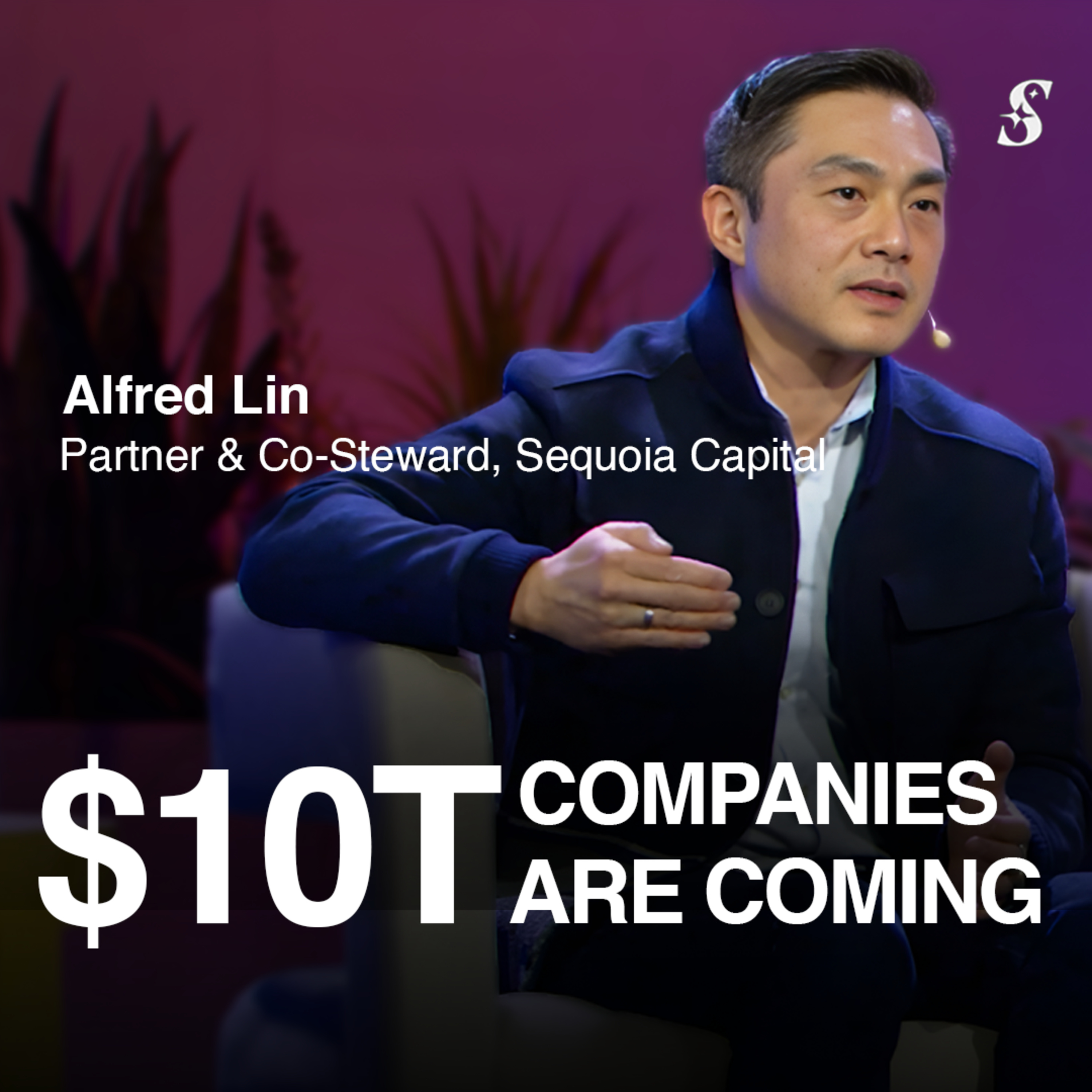
Alfred Lin - The Future According to Sequoia: AI & $10T Winners
- Companies that embrace technological paradigm shifts and adapt to change are more likely to survive and thrive, similar to how brick-and-mortar stores adapted to e-commerce.
- Sequoia's investment strategy focuses on the future and being a net liquidity provider to LPs, measuring success by distributions rather than just Assets Under Management (AUM).
- The accelerating pace of technological change means that what constitutes exceptional performance and market moats are constantly evolving, requiring continuous adaptation and a focus on unique founder strengths.
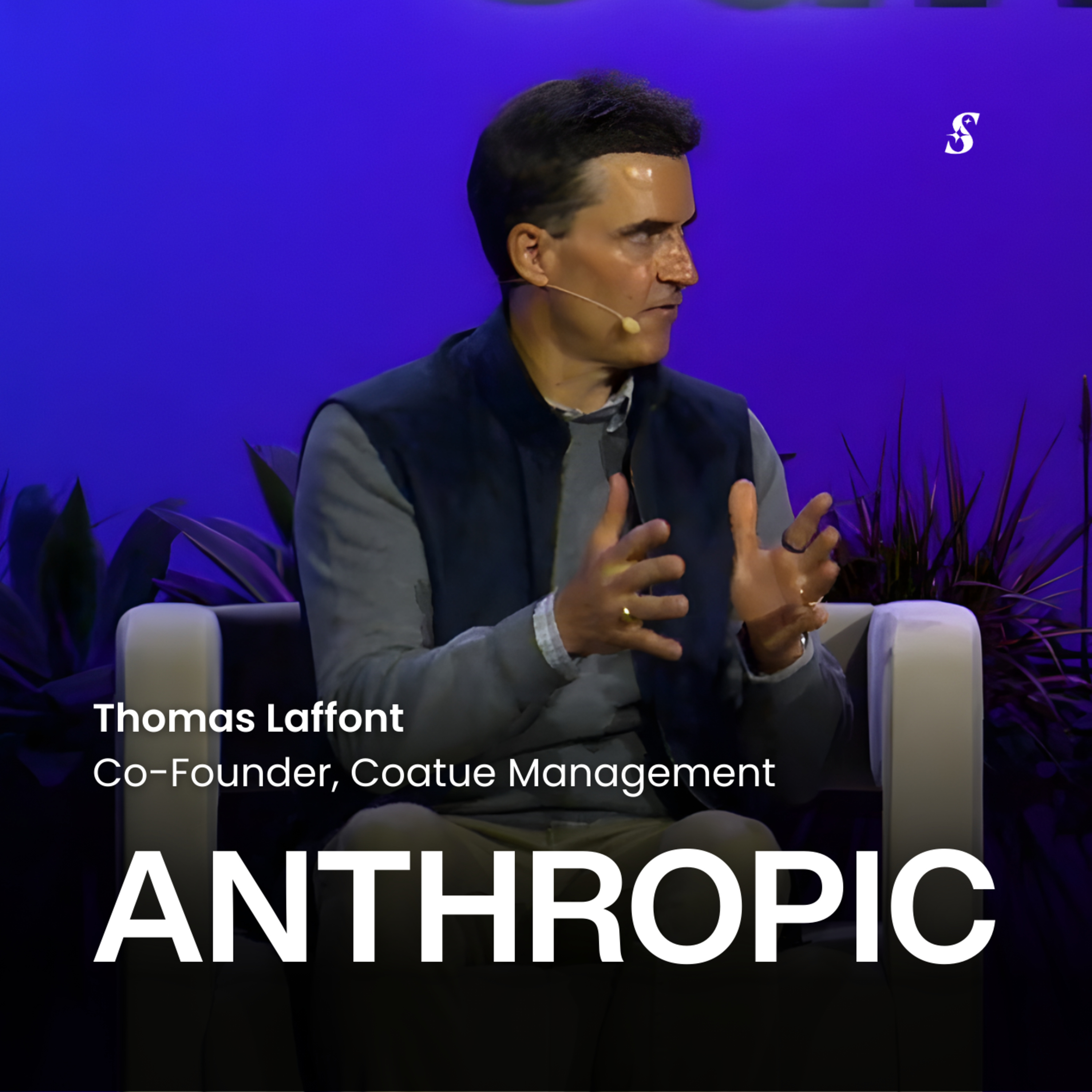
Thomas Laffont, Coatue - Anthropic, Citrini Paper, AI Volatility & Next Mag 7
- Widespread adoption of AI tools is drastically increasing operational spending across companies, with some expecting their investment in these tools to triple next year.
- The rapid growth of generative AI companies like Clock Code and Anthropic indicates a powerful underlying trend, with some of these private companies likely to go public within the next 1-2 years.
- While market volatility can be concerning, open discussion of potential risks and the embrace of AI by companies and regulators is seen as healthy for long-term preparedness and innovation.