Trending right now

World Collapse Expert (Ian Bremmer): The Real Crisis Is What Comes After Trump
Is the world on the brink of collapse, and what comes next after a seismic shift in global leadership? Ian Bremmer lays out the stark reality.

Alex Imas on Why Economists Might Be Getting AI Wrong
Are economists miscalculating AI's true impact? Discover why the speed of adoption and job task interconnectedness could reshape our economic future faster than we think.

Our Tax System Should Make You Furious
Is the tax system rigged against you? This episode reveals how the ultra-wealthy pay minimal taxes while you pick up the tab.
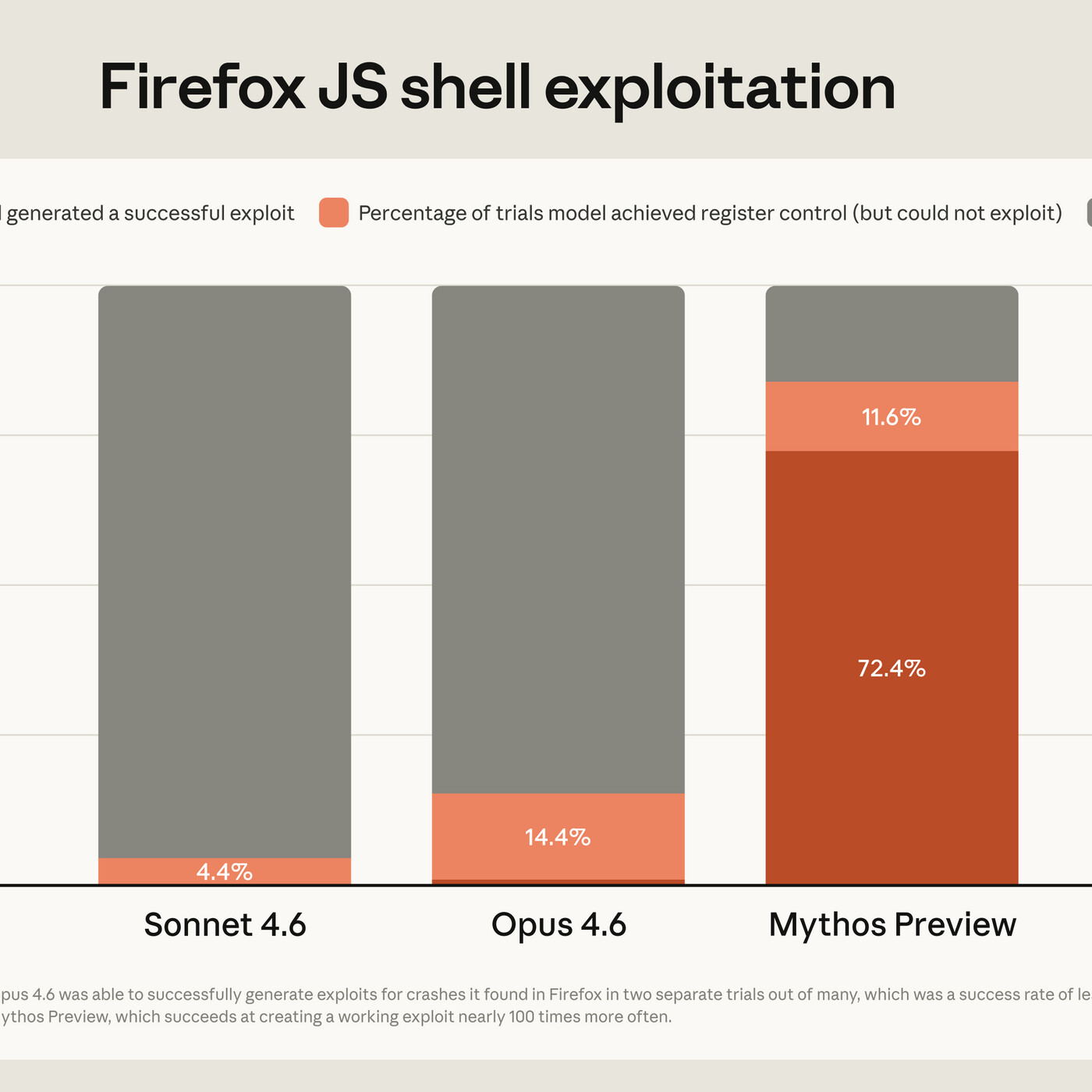
#240 - Project Glasswing, Claude Mythos, GLM-5.1, emotion concepts
From AI finding zero-day vulnerabilities to data centers becoming military targets – the latest AI news is stranger and more critical than fiction.

Gadget Prices Are Getting Ridiculous
Are you feeling the pinch of rising gadget prices? MKBHD dives into why your favorite tech is getting ridiculously expensive.

996: 10 New CSS and HTML APIs
- The CSS masonry API, now named CSS grid lanes, allows for Pinterest-style layouts that fill in content naturally, offering a much-improved solution for arranging elements compared to previous methods.
- A new experimental HTML in canvas API enables developers to place and paint standard HTML elements directly onto a canvas, opening up possibilities for advanced visual effects and dynamic UIs while retaining accessibility.
- Name-only container queries provide a more streamlined way to implement scoped CSS by allowing developers to assign names to containers and apply styles based on those names, simplifying the creation of reusable and modular styles.

995: Next.js Vendor Lock-in No More
- The new Next.js adapters platform is now stable, enabling hosting on diverse providers and runtimes by providing a stable contract for integration.
- Next.js embraces a cache-first approach with features like
useCacheand cache components, allowing developers to progressively optimize their applications at various layers. - The Turbo Pack bundler was built from the ground up to address limitations of existing bundlers, particularly for complex Next.js architectures like server components, and offers significant improvements in build and development performance.
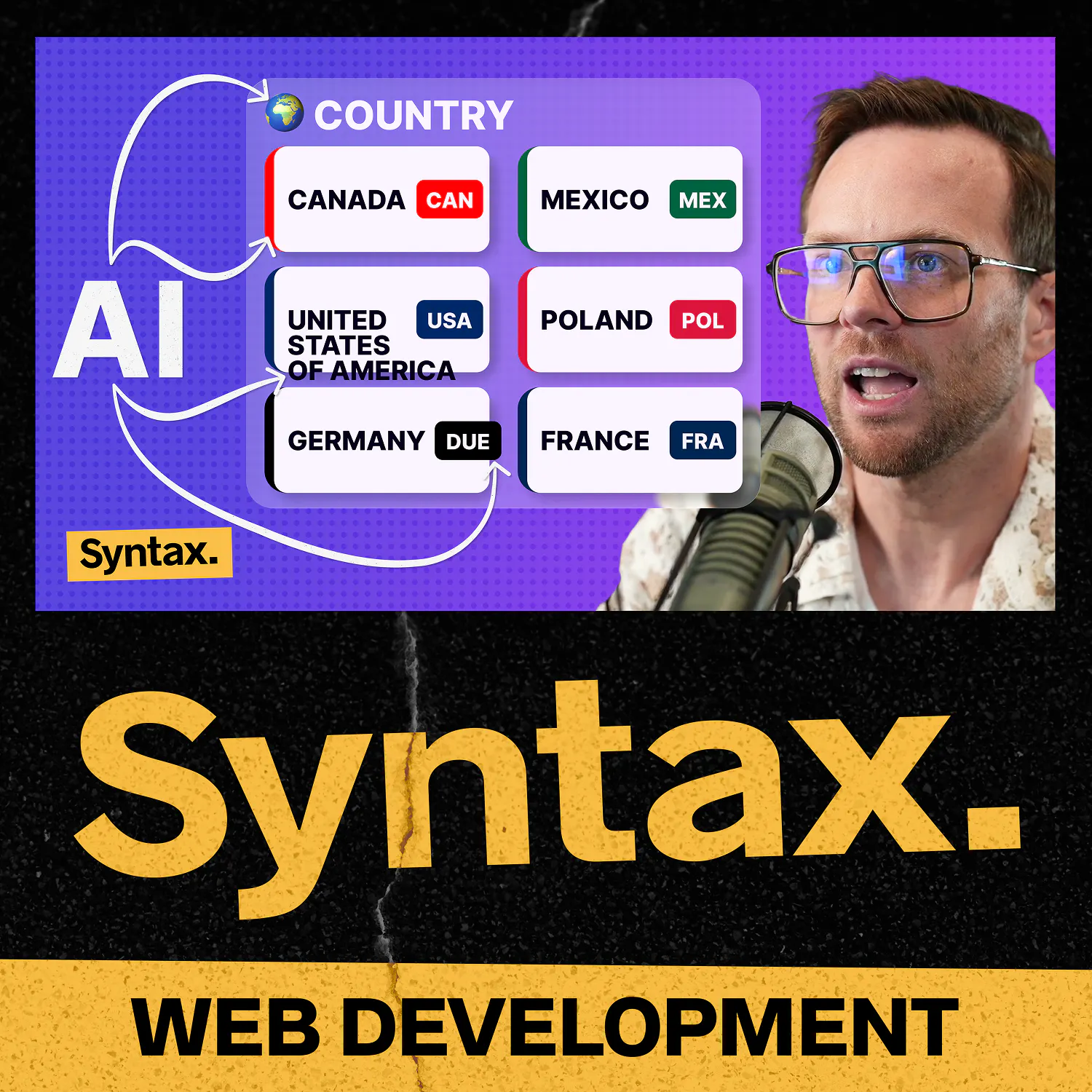
994: AI Sucks At CSS
- AI struggles significantly with generating clean, repeatable CSS and design due to its tendency to make local fixes and lack of understanding of global design systems.
- The effectiveness of AI in coding interviews is being questioned, with a proposed "composer one" interview method suggesting using a "perfectly mediocre" AI model to test a candidate's genuine engineering skills.
- Developing a robust and performant application requires a deep understanding of underlying systems, not just the ability to prompt an AI, as demonstrated by the significant performance gains achieved through human-driven optimization.

993: It’s Been A Hell Of Week
- Claude Code's source code was inadvertently exposed via a publicly available source map on npm. This leak, similar to a past incident with Apple, revealed internal comments and code structure, offering insights into the platform's development practices.
- Axios, a popular JavaScript HTTP client, was compromised when a maintainer's credentials were used to publish a malicious version containing a remote access Trojan. This highlights the pervasive risk of supply chain attacks, where vulnerabilities in dependencies can affect a vast number of projects.
- The new 'pretext' library revolutionizes text measurement by performing calculations off-DOM using canvas, enabling highly performant and dynamic text layouts. This addresses limitations of traditional DOM manipulation and CSS for complex text rendering, with potential applications in design tools and interactive web experiences.

992: Migrating Legacy Code Just Got Easier
- The podcast discusses using AI to facilitate code migrations, highlighting its efficiency in tasks like refactoring and template conversion.
- A key strategy for successful AI-assisted migration involves establishing clear coding patterns beforehand and a meticulous planning and testing phase.
- The conversation emphasizes the importance of lateral moves in migrations, aiming for feature parity rather than introducing new functionalities simultaneously to avoid project failure.
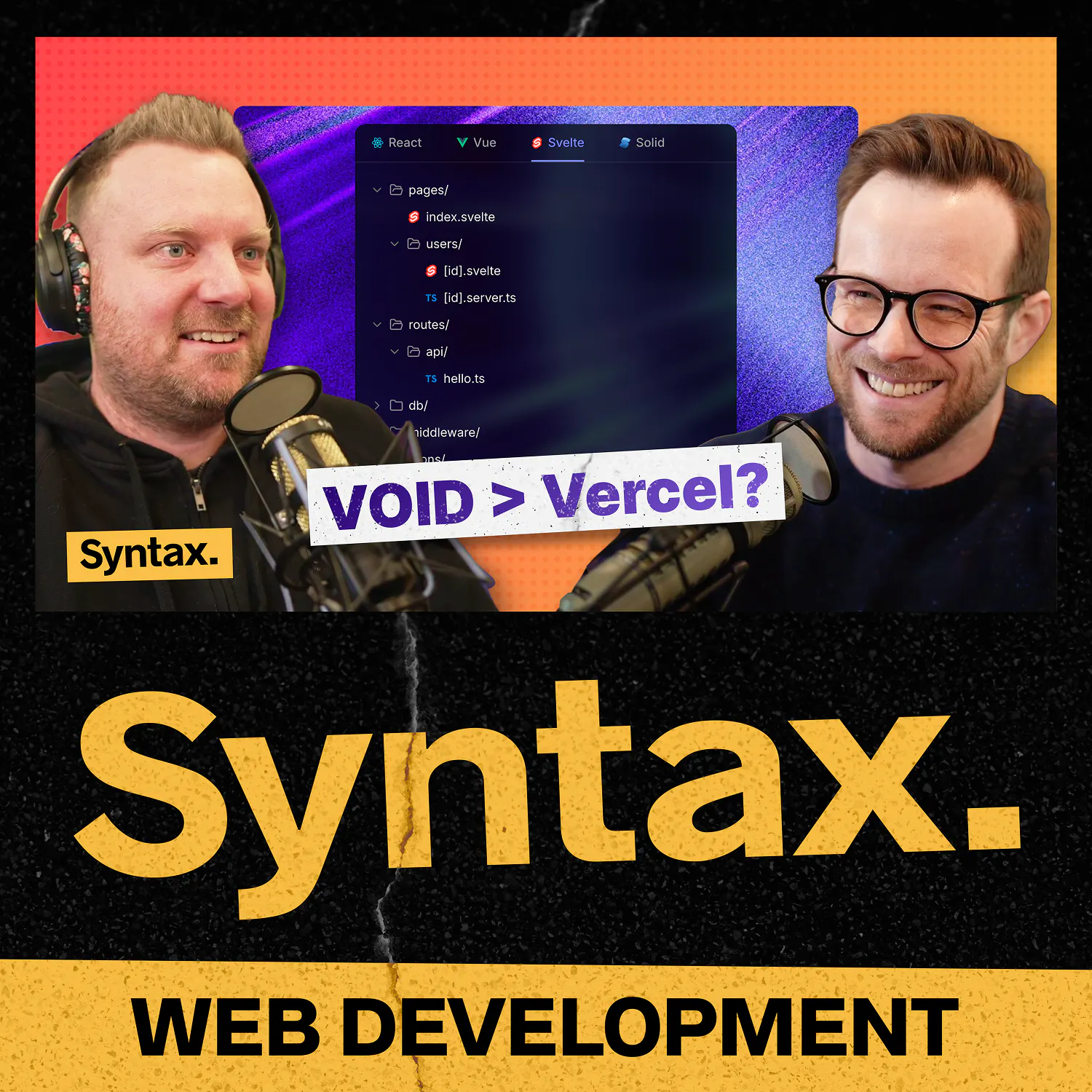
991: Vite’s bet on Cloudflare (VOID Framework)
- Void is a new full-stack JavaScript framework that acts as a VIT plugin, heavily integrated with the Cloudflare environment to provide databases, queues, and authentication.
- The framework aims to offer a unified backend experience for various frontend frameworks like React, Vue, Svelte, and Solid, drawing comparisons to Vercel's developer experience for Cloudflare.
- A key discussion point revolves around the degree of "Cloudflare lock-in" with Void, examining whether its integrated services and architecture limit portability or offer a compelling, though tied, developer experience for building applications.
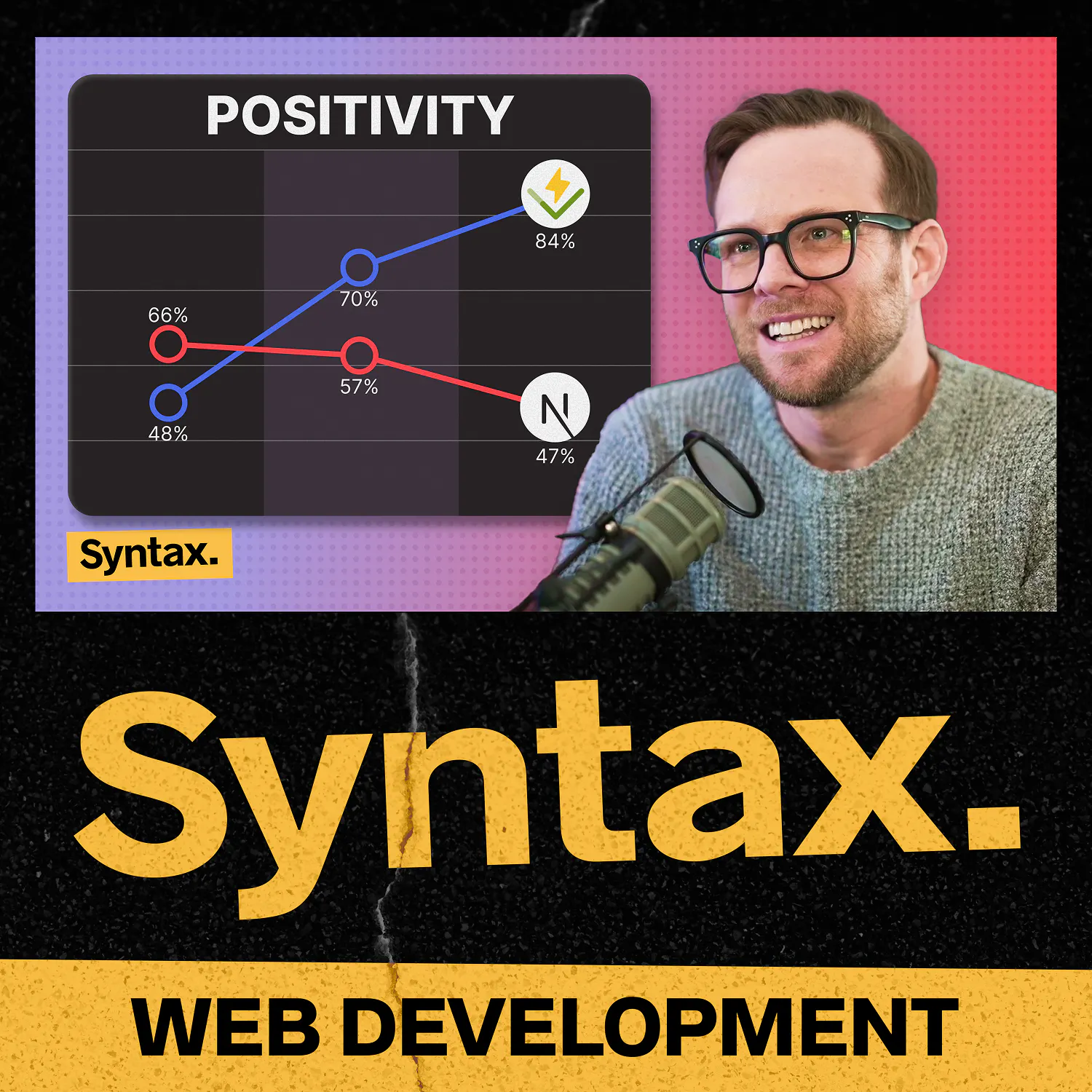
989: State of JS 2025
- The "State of JS" survey reveals that while core JavaScript language features are becoming less of a focus, there's significant activity and interest in libraries, tooling, and meta-frameworks.
- Vite, Vest, and Playwright are highlighted as significant climbers in popularity and positive sentiment, indicating a shift in developer tool preferences.
- The survey data points to a trend of increasing complexity in meta-frameworks, with excessive complexity being the top pain point reported by developers.

988: Cloudflare’s Next.js Slop Fork
- The V-Next project, a port of the Next.js framework to V, was largely created using AI, specifically by guiding LLMs with a comprehensive test suite.
- The process of building V-Next highlights the evolving role of AI in software development, where humans set direction and AI amplifies capabilities, but requires careful guidance and iterative refinement.
- The discussion touches on the future of AI in programming, suggesting the potential for AI-first programming languages and frameworks designed specifically for AI creation and interaction.

987: Remote Coding Agents
- Remote coding agents offer flexibility by allowing tasks to run off your local machine, accessible from anywhere and at any time, mirroring a "thin client" computing model.
- A variety of solutions exist for running remote agents, ranging from self-hosted servers and older laptops to cloud-based services and integrated editor features.
- Agents can be triggered by prompts or events like errors detected in services such as Sentry, enabling automated troubleshooting and self-healing software.

986: Does Code Quality Matter Anymore?
- The discussion points to the evolving role of code organization and quality in the age of AI, questioning whether detailed structure is less vital when AI can potentially manage or refactor code.
- An update was provided on the "second brain" concept, detailing the speaker's successful integration of Obsidian for personal knowledge management and its use with AI tools for enhanced data retrieval and application.
- The relevance and strategies for using modern CSS features like Flexbox and Grid versus traditional CSS frameworks like Bootstrap or Bulma were explored, highlighting a shift towards utility classes and native CSS capabilities.