Today's Top Episodes

The Sunday Daily: Hollywood’s A.I. Moment
Is AI about to write the next Hollywood blockbuster and replace your favorite stars? Dive into the ethical battle raging in Tinseltown!

#634 - Fiona Cauley
Discover how dark humor becomes a superpower for Fiona Cauley as she navigates life with a rare disability and fights for agency.

TIP785: My Reflections on Money, Life, and Happiness w/ Stig Brodersen
Beyond the billions: Unlock the secrets to lasting happiness and make your money work for your true self, not against it.

Will AI Make Bitcoin More Valuable Than Ever? | Jordi Visser
Is Bitcoin the ultimate AI play? Explore how the rise of artificial intelligence could redefine the value of digital assets and your career.

Defending the Disabled
A simple act of bullying, a powerful wave of kindness: Discover how students rallied to defend a disabled classmate.
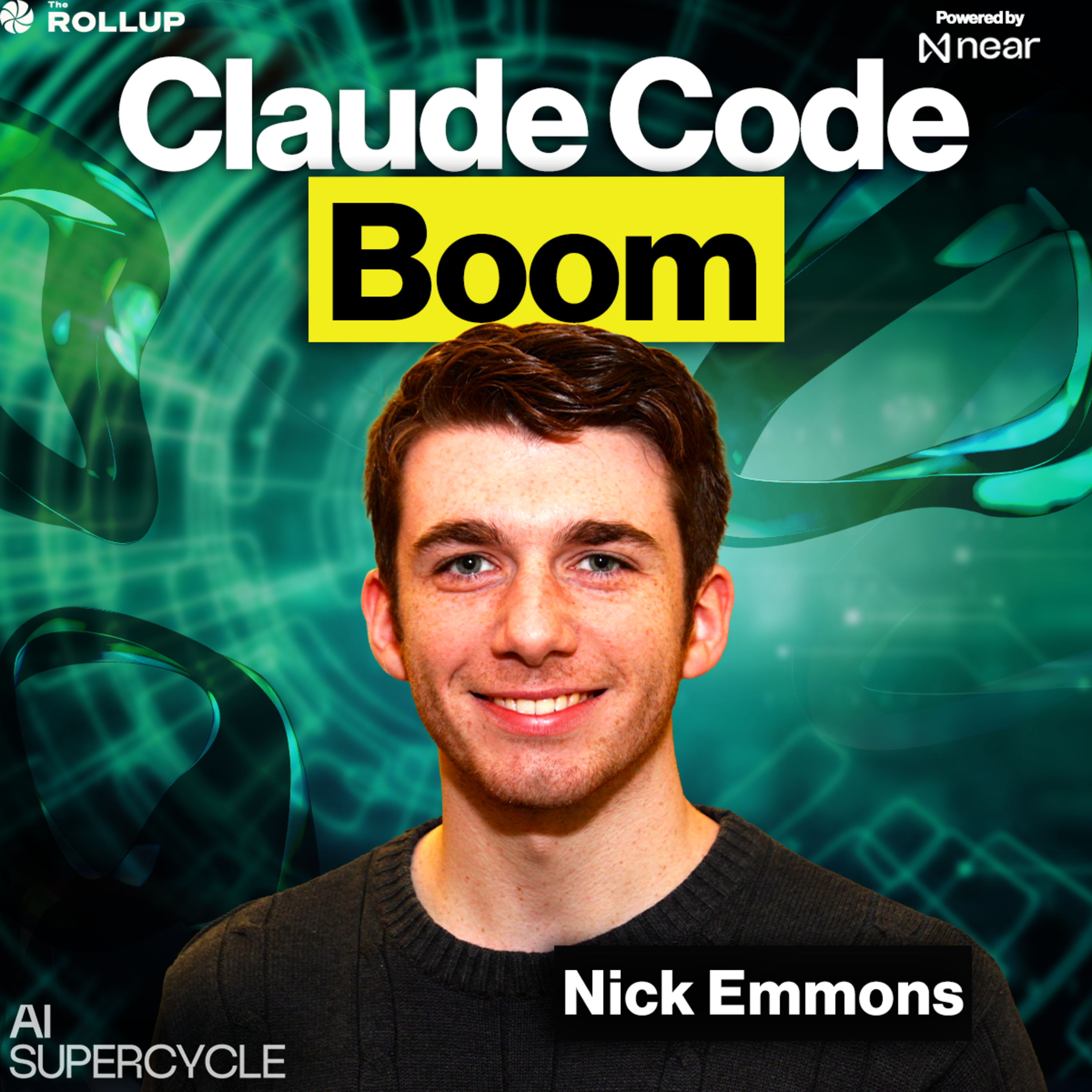
How Claude Code is Changing the World with Nick Emmons
- The emergence of agentic coding tools like Claude Code and paradigms like "Ralph" are democratizing software development, potentially disrupting the SaaS industry and the traditional software development labor market.
- Context graphs are a significant advancement over traditional context windows and RAG, enabling LLMs to better understand and utilize relational data, which is crucial for domain-specific problem-solving.
- An agent-first internet will likely lead to a shift from subscription models to more granular, per-unit pricing and a more speculative economy where AI acts as a primary market participant.

Vance Spencer & Michael Anderson: The Rise of Neo-Finance and Crypto's Mag 7
- The conversation introduces and explores the concept of "neo finance" (or "newfi") as a convergence of traditional finance, fintech, and decentralized technology, moving beyond the limitations of the term "DeFi."
- A key thesis is that decentralization is a means to an end, serving as a tool for risk management and transparency rather than a goal in itself, with a focus on real business models and value accrual.
- The discussion highlights the emerging need for regulatory clarity and a more defined structure for digital assets, distinguishing between utility tokens, securities, and potential pathways for institutional adoption.

Why token buybacks actually work with Jordi Alexander
- The conversation explored the complexities of token equity, highlighting the misalignment of incentives for investors and stakeholders due to the historical structure of foundations and labs.
- A key discussion point revolved around the evolution of token buyback strategies, emphasizing a shift towards more systematic and price-based approaches rather than purely programmatic daily buying.
- The podcast delved into the increasing trend of traditional companies "crypto-ing" their businesses by tokenizing parts of their operations or assets, signaling a potential future dominated by tokenized real-world assets and established brands.
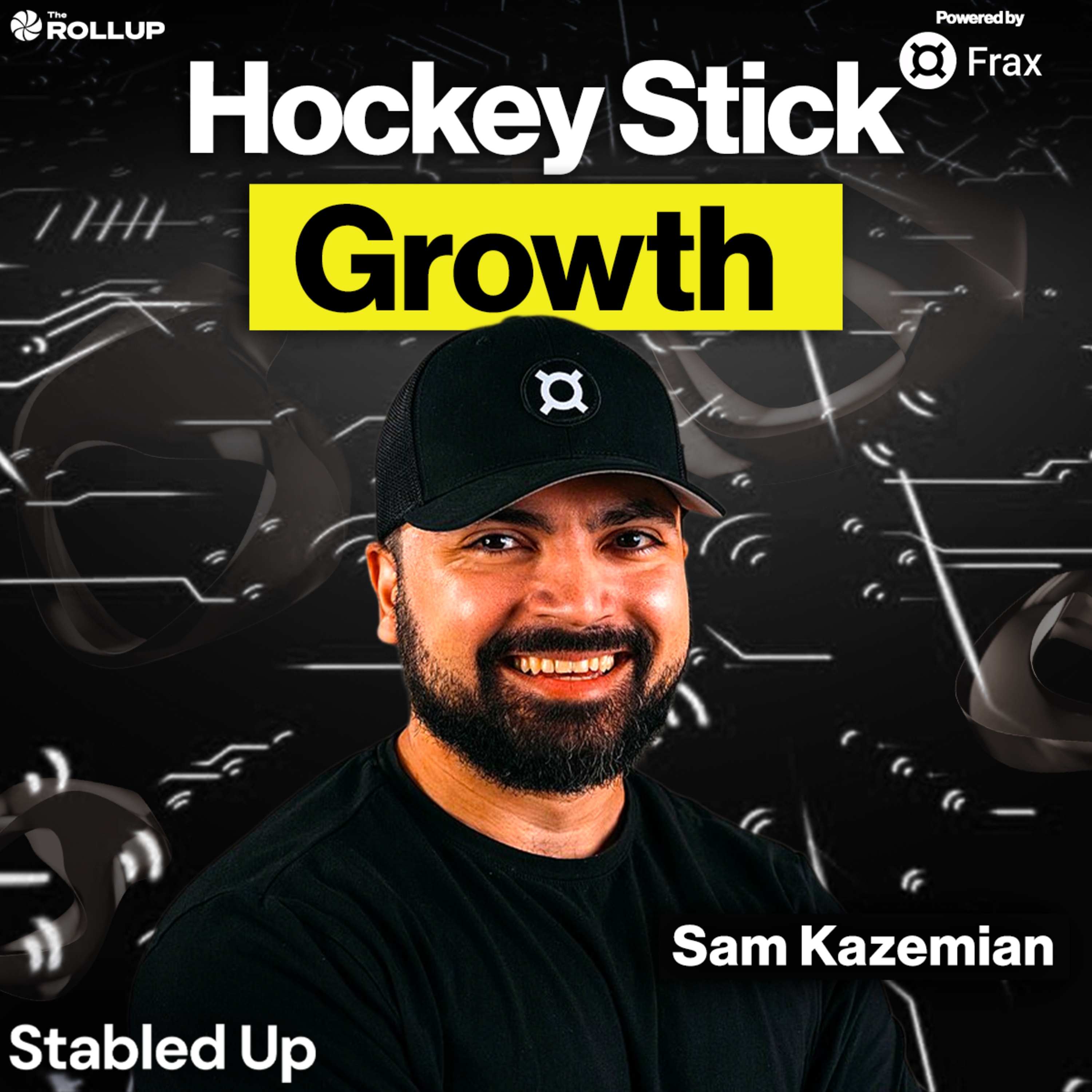
The Year of Stablecoin Unification with Sam Kazemian
- The future of stablecoins lies in their full integration and real-world use cases within neo-banks and payment systems, not just within DeFi.
- There's a significant trend towards "Neo Finance," a convergence of legacy finance and crypto-native companies, creating a new era of simplified financial tools.
- The year 2026 is expected to be the "hockey stick year" for stablecoins and neo-finance, driven by projects that have laid a solid foundation and offer end-to-end functionality.

Ex-BlackRock Head of Digital Assets: Why Ethereum Will Dominate 2026
- Ethereum's "fee furnace" permanently destroys ETH with every transaction, creating a significant deflationary pressure, especially when network activity outpaces new ETH creation.
- The "great lockup" through staking removes a substantial portion of ETH from the liquid market, with projections suggesting over half could be locked up, impacting supply and demand.
- The "accelerator" upgrade is expected to dramatically reduce layer 2 transaction fees, driving massive network activity that further fuels ETH burning and accelerates deflation.

2025 Year in Review: Why RWAs are Taking Off in 2026 with Chris Yin and Teddy Pornprinya of Plume
- The tokenization of RWAs (Real-World Assets) is projected to experience significant growth in 2026, driven by increasing demand for yield and the potential for institutional adoption.
- Ethereum continues to be the dominant chain for RWA tokenization due to its established network and credibility, but other chains are emerging with different approaches to user accessibility and asset integration.
- The discussion highlights a shift in focus from purely yield farming to more sophisticated RWA strategies, including the use of private credit and collateralized loan obligations (CLOs), while also emphasizing the importance of user experience and risk management.
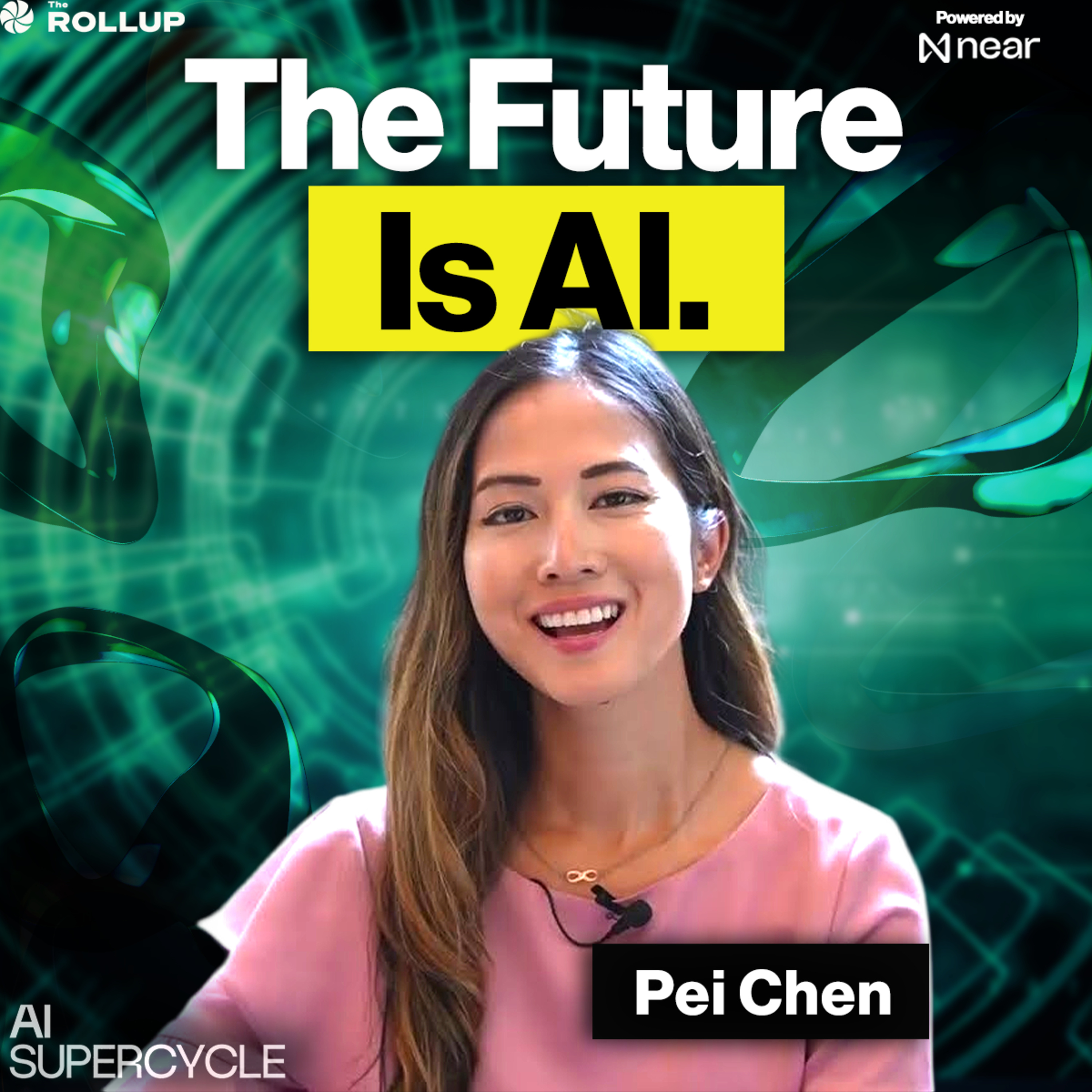
How AI Agents Are Replacing Hedge Fund Managers with Pei Chen of Theoriq
- The discussion highlights the growing integration of AI into everyday applications and systems, particularly evident in the second half of the year.
- A significant theme is the rise of autonomous AI agents and the critical need to establish robust "policy cages" or guardrails to ensure their safe and controlled operation.
- The conversation emphasizes the increasing capability of AI models in specific domains like coding, with participants debating the future impact on junior engineering roles and the evolving landscape of AI-driven job markets.
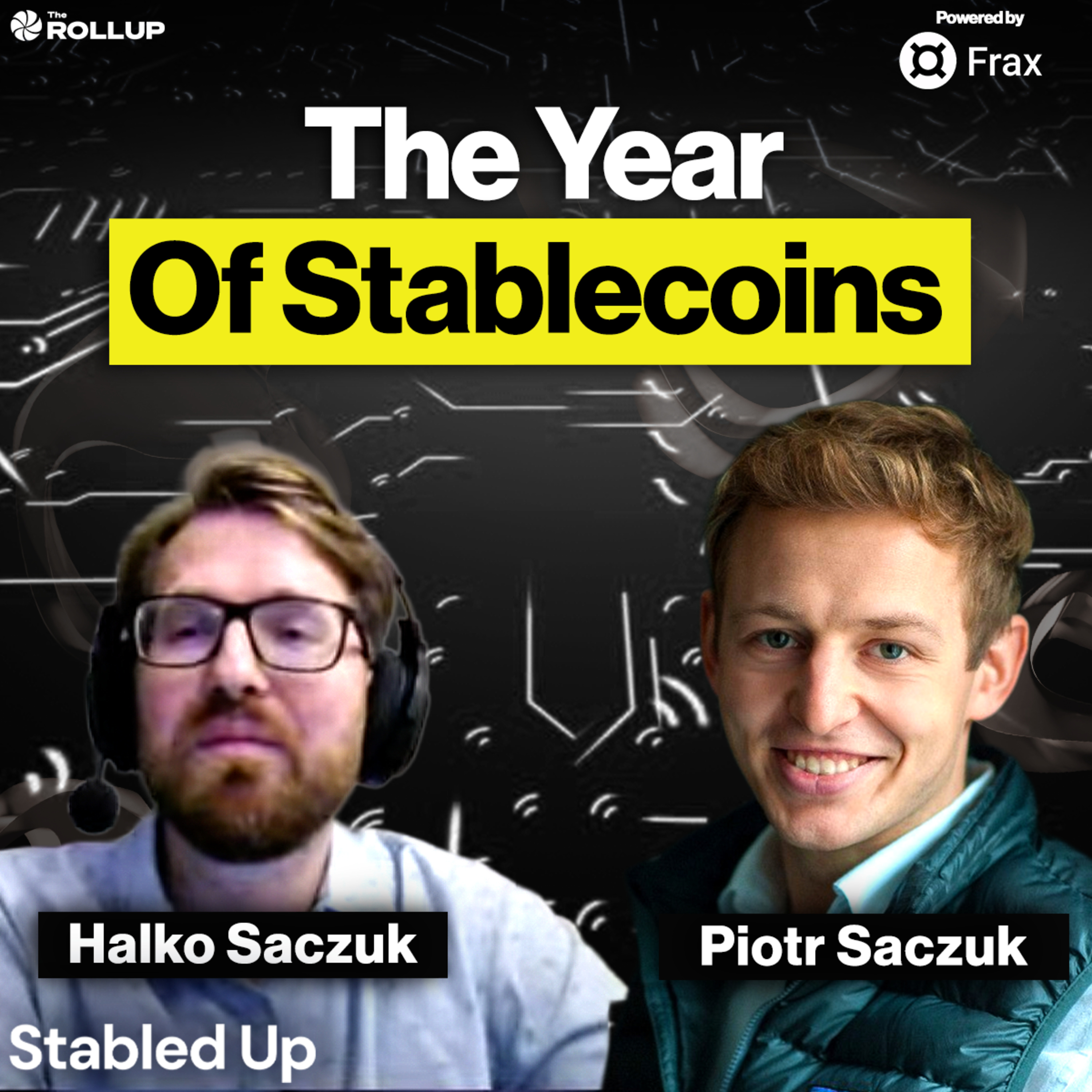
Stablecoins in 2025: The Breakout Year In Review (And What Comes Next...)
- The yield-bearing stablecoin category has experienced significant growth, driven by investor demand for yield and catalyzed by events like acquisitions and the tokenization of delta-neutral trades.
- While yield-bearing stablecoins offer attractive returns, they come with various risks, including smart contract vulnerabilities, black-box strategies, and potential divergences between book and market value.
- Diversification and sustainable business models are crucial for the future growth of the yield-bearing stablecoin space, with a focus on transparency and risk management to attract institutional capital.

What Altcoins Are Actually Worth Holding with Lark Davis
- A major trend going forward is expected to be either no token or tokenized equity, with anything in between being uninvestable.
- The market is showing a clear fatigue with overly inflated and “useless” governance tokens, favoring projects with genuine revenue models and buybacks.
- Institutional adoption, including significant players like Vanguard and BlackRock entering the crypto space, signals a bullish long-term outlook despite current market apathy.
Why AI Agents Still Fail at Simple Tasks with Teng Yan
- The rapid advancement of AI models, driven by improvements in data, compute, and algorithms, is significantly enhancing AI capabilities and leading to greater interest in AI agents.
- Providing AI models with the right context and clearly defining the desired outcome are crucial for achieving better results, as opposed to solely relying on complex prompt engineering.
- The emerging AI landscape faces ongoing challenges related to privacy, the balance between profit-driven companies and societal benefit, and the development of more reliable and data-driven AI agents.