Viewing Podcast: Podcast
AI
Arts
Business
Crypto
Finance
Health
History
Interviews
Investing
Macro
Misc
News
Politics
Product
Programming
Science
Social
Startups
Technology
VC
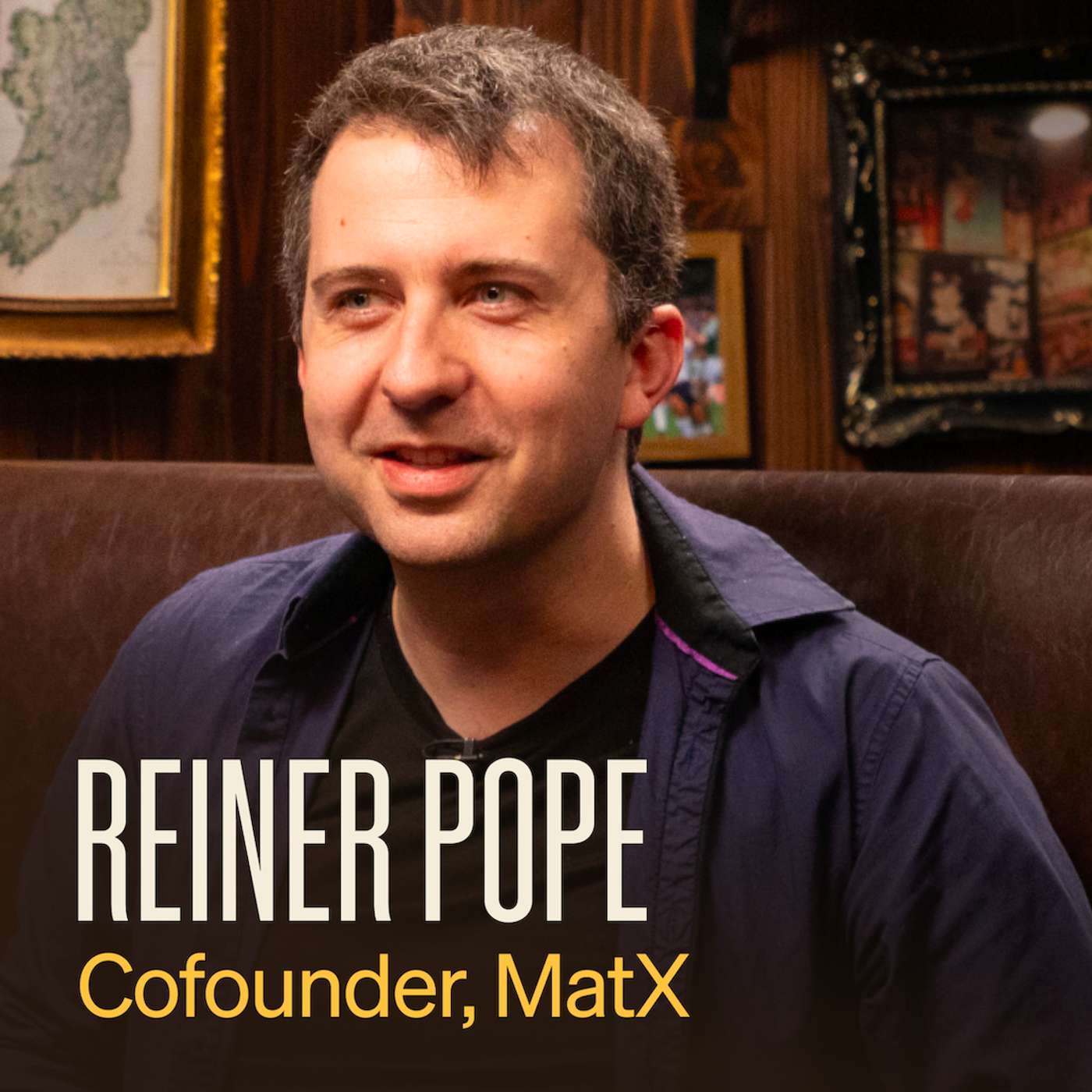
Reiner Pope of MatX on accelerating AI with transformer-optimized chips
- MatX is developing specialized AI chips designed to optimize for both throughput and latency for large language models, a combination currently lacking in the market.
- The conversation highlights the fundamental parallel nature of hardware and the increasing importance of "mechanical sympathy" for ML researchers to effectively utilize AI accelerators.
- Significant supply chain bottlenecks are anticipated in the AI hardware buildout, impacting areas from logic fabrication to HBM memory and rack manufacturing.

Stripe’s 2025 annual letter
- The "sorting machine" of competitive markets is accelerating, leading to increased profit concentration and faster emergence of winners and losers across industries, driven significantly by demand for software and data.
- Businesses are increasingly operating on a "global by default" model, with AI products launching worldwide simultaneously and specialized infrastructure enabling localized checkouts and payment methods in over 100 countries.
- Agentic commerce, where AIs will buy on behalf of users, is rapidly moving from overhyped concepts to practical implementation, with early stages focusing on eliminating web forms and descriptive searches, demanding new interoperable protocols.

Ramp founder Eric Glyman on the many ways AI is changing corporate spending
- Ramp has evolved from a corporate card provider into a comprehensive finance automation platform with distinct and rapidly growing business lines in bill payments, software, and treasury.
- The company is leveraging AI agents to review expenses automatically, significantly improving accuracy and freeing up employee time for more strategic tasks.
- Ramp's spend data reveals that businesses are adopting AI tools more widely than official reports suggest, and that implementing efficiency tools demonstrably leads to higher revenue growth for those businesses.
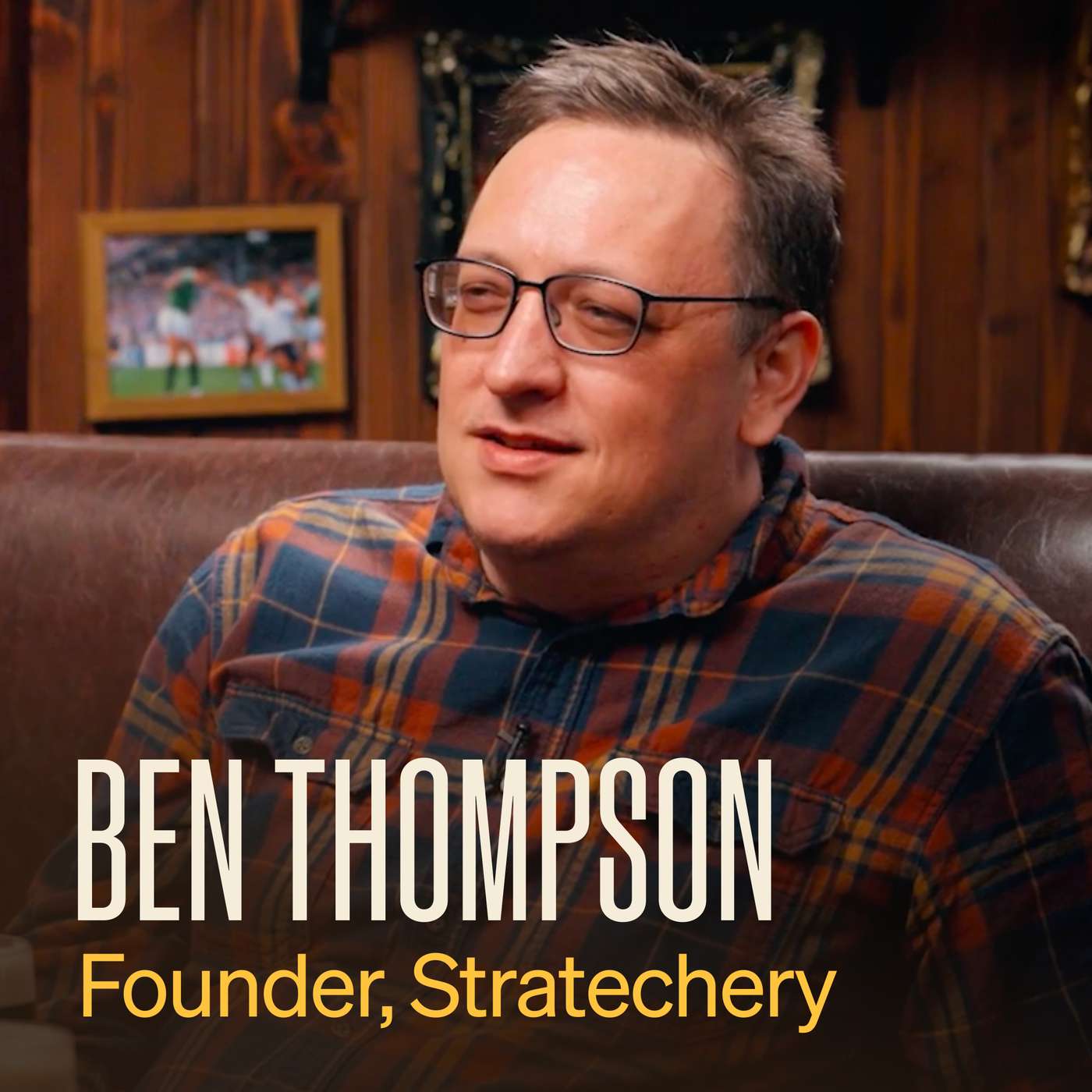
Ben Thompson from Stratechery on AI ads, the end of SaaS, and the future of media
- The conversation explores the evolving landscape of AI and advertising, questioning the traditional skepticism towards ads within the tech industry and debating the optimal ad models for consumer AI applications.
- Aggregation theory is applied to the AI sector, with discussions on how demand aggregators like Booking.com and potentially OpenAI will shape the future ecosystem, and the comparison of OpenAI's strategy to Netscape or AOL.
- The discussion critically examines the semiconductor supply chain, particularly TSMC's capacity expansion, arguing that hyperscalers need to proactively invest in alternatives to mitigate future chip shortages driven by AI demand.
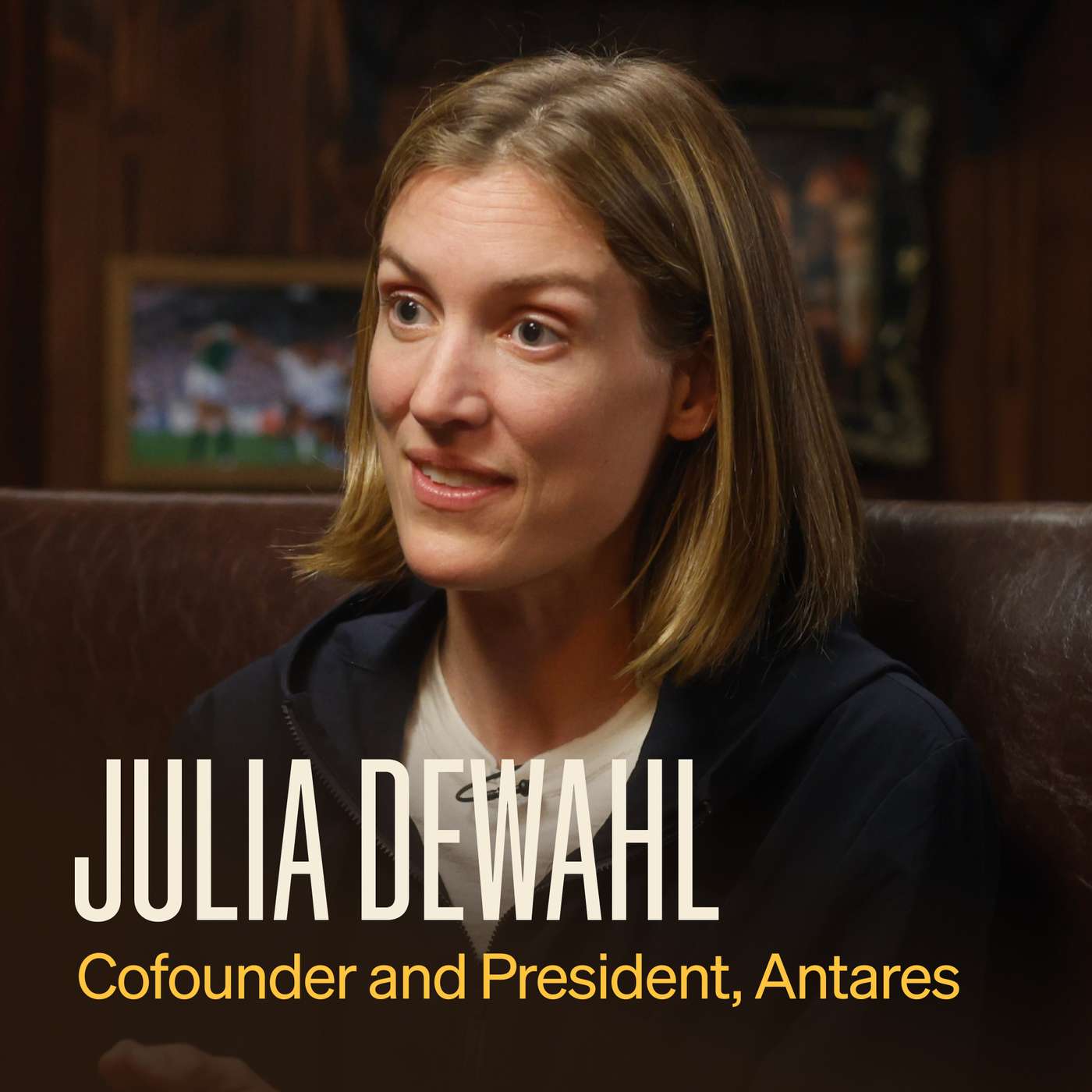
Julia DeWahl of Antares on building nuclear reactors for the US military
- The US regulatory environment for nuclear power is rapidly evolving, with new policies and pathways, such as the Department of Energy's test reactor program, being established to streamline development and licensing.
- Antares is developing micro-reactors for critical infrastructure, primarily targeting the military for energy resilience and off-grid applications, leveraging lessons learned from companies like SpaceX and Opendoor regarding customer focus and operational efficiency.
- There is renewed public and governmental support for nuclear energy, driven by climate concerns and energy security needs, leading to shifts in policy and increased investment in both existing nuclear plants and advanced reactor technologies.

Satya Nadella describes how lessons from Microsoft’s history apply to today’s boom
- The conversation highlights the ongoing challenge for companies to effectively organize and leverage their vast amounts of data for AI, despite decades of effort and advancements like semantic embedding and AI models.
- A significant theme is the underlying shift in software paradigms from structured data models to neural networks and the importance of external components like memory and entitlements for AI agents to function effectively within an enterprise.
- The discussion emphasizes the transition from a "cloud-first" to an "AI-first" strategy, with organizations needing to build both infrastructure ("token factories") and applications ("agent factories") to drive business outcomes and demonstrate value per token.

Dave Ricks, CEO of Eli Lilly, on GLP-1s and the business of pharma
- Eli Lilly is leveraging AI with a massive on-premise supercomputer for proprietary drug discovery, aiming to co-invent and co-develop novel chemical structures beyond human intuition.
- The company is disrupting traditional pharmaceutical sales by selling directly to consumers online via LillyDirect, offering treatments like Mounjaro and Zepbound directly to patients' doors.
- Eli Lilly's significant investment in R&D, exemplified by its GLP-1 drugs, is focused on addressing unmet needs and expanding into new therapeutic areas, potentially redefining the company's franchise value beyond traditional patent cycles.
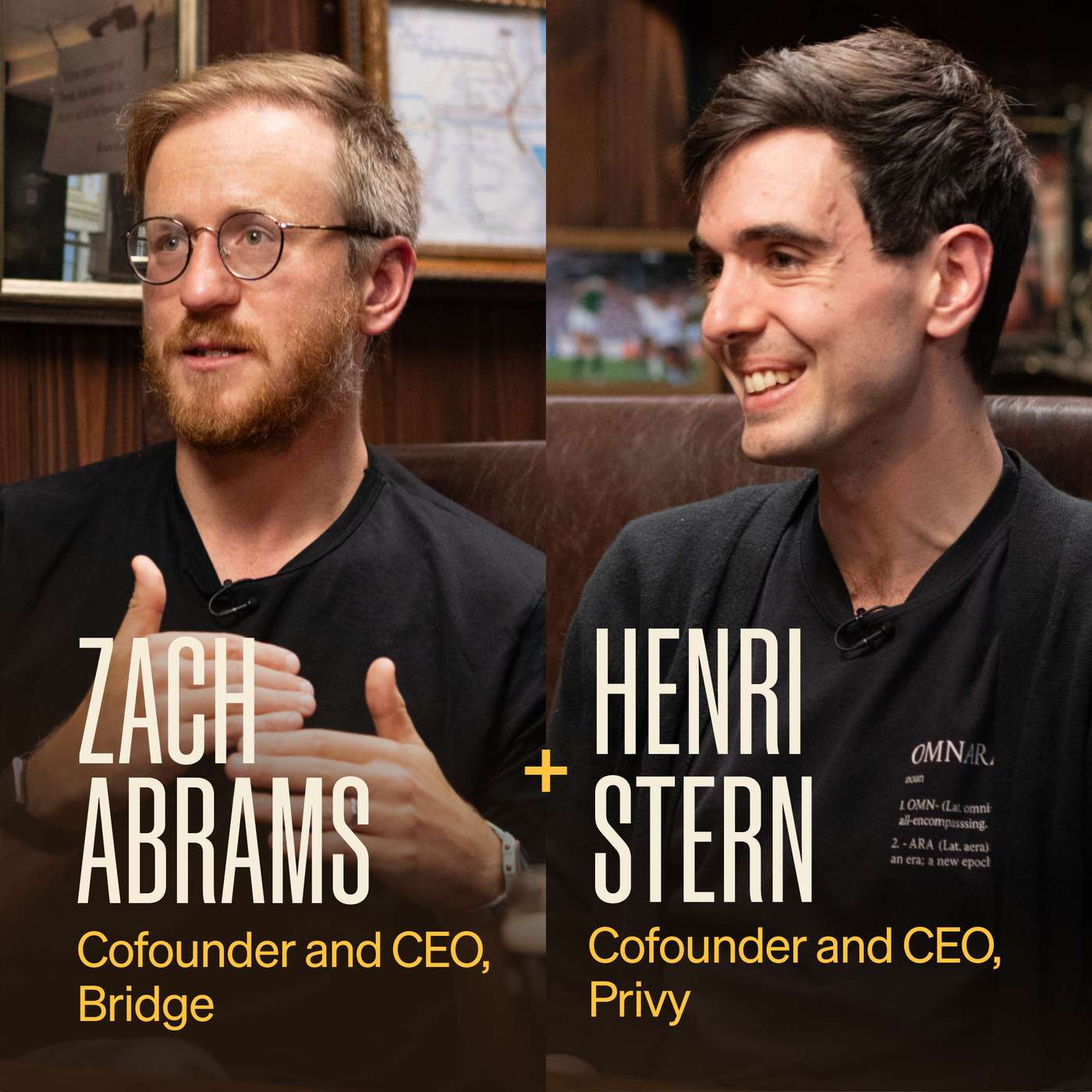
Stablecoin special: Zach Abrams (Bridge) and Henri Stern (Privy)
- Stablecoins are emerging as crucial infrastructure for global payments and financial innovation, enabling cheaper, faster cross-border transactions and new financial product offerings.
- Companies are increasingly looking to issue their own stablecoins to control infrastructure, access underlying economic benefits, and gain greater financial flexibility.
- The development of specialized blockchains and layered solutions is critical for optimizing stablecoins for payments use cases, addressing scalability and user experience challenges.
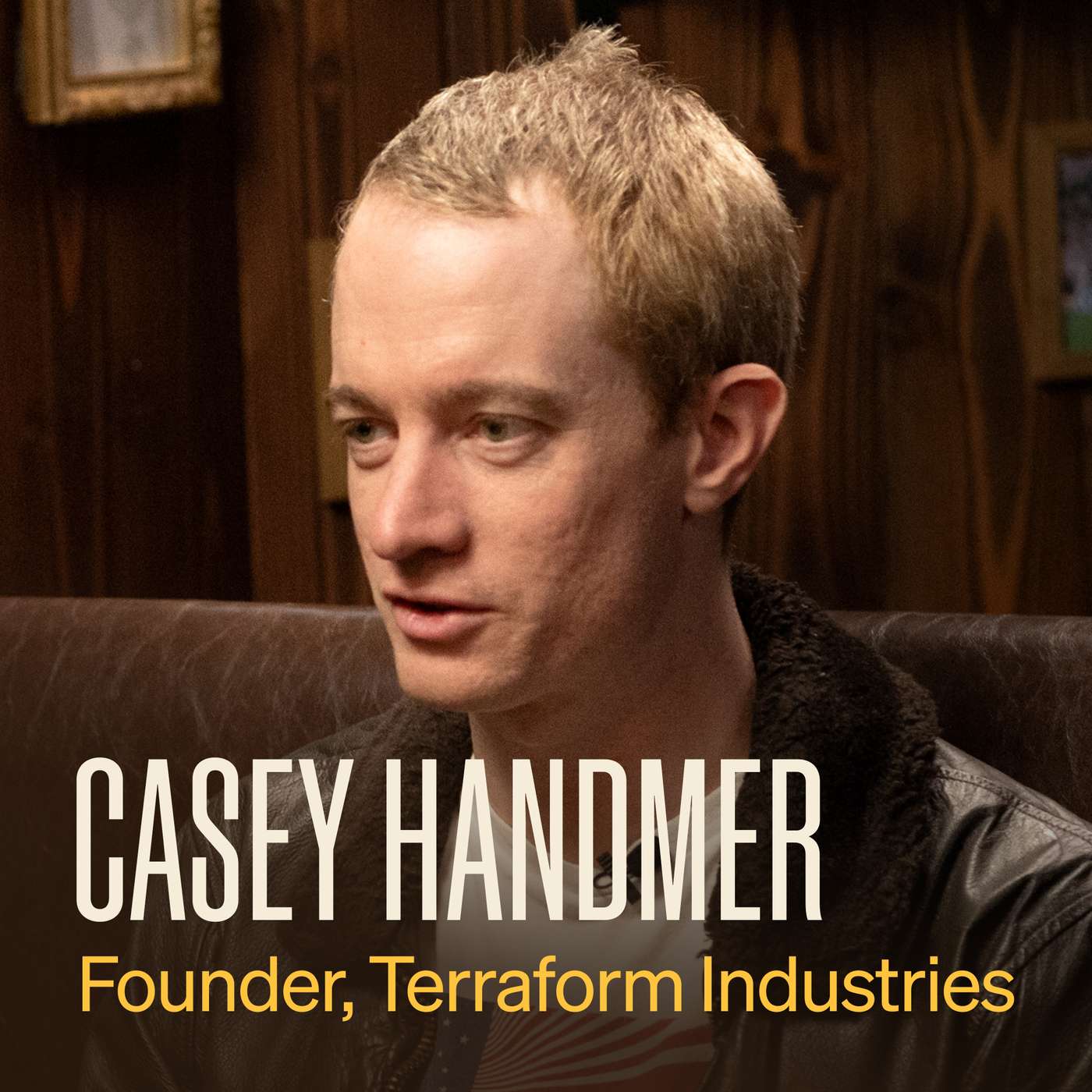
Casey Handmer of Terraform Industries on solar maximalism, hard tech, and reclaiming the Salton Sea
- Solar Maximalism: The discussion emphasizes a worldview where solar energy is expected to dominate and outperform other energy sources due to its exponential technological advancement and cost reductions.
- Industrialist Mindset and Hardware Innovation: The conversation highlights the underappreciated contributions of historical figures like Henry Kaiser and the importance of ambitious, hands-on entrepreneurs tackling complex hardware challenges, contrasting this with a perceived overemphasis on software.
- Synthetic Fuels and Energy Abundance: A significant theme is the potential for synthetic fuels produced from sunlight and air to create energy abundance, enable zero-carbon transportation (including aviation), and shift carbon sourcing from the crust to the atmosphere.
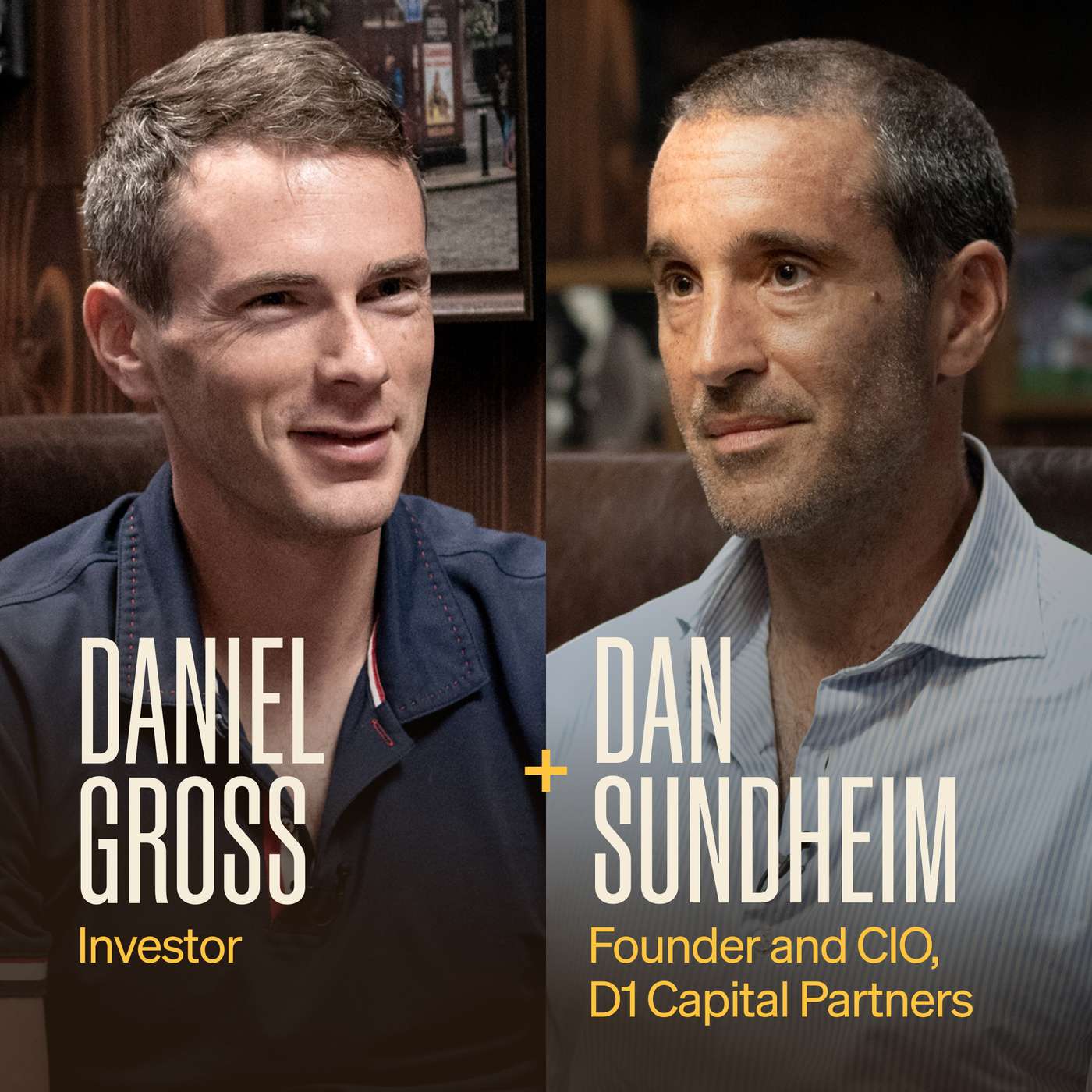
Dan Sundheim of D1 Capital on the art of public market investing
- D1 Capital's investment strategy focuses on fundamental analysis with a three-to-five-year horizon for both public and private companies, emphasizing deep research into business models and company prospects.
- The hedge fund industry has faced significant challenges with factors like retail-driven short squeezes, impacting risk management strategies and leading to more diversified short positions.
- The narrative around private markets suggests they are becoming increasingly attractive and potentially problematic for public markets, with some companies preferring to remain private due to public market volatility and a more controlled growth environment.